Changshu Jianghe Flood Prevention Products CO., Ltd.
News

How Can Flood Control Ton Bags Improve Flood Protection and Emergency Response

2026-10-19 0 Leave me a message

Article Summary: Flood control ton bags provide a practical solution for large-scale flood prevention, embankment reinforcement, emergency material handling, and water conservancy projects. Jianghe supplies flood control ton bags made with thickened, wear-resistant materials and a sturdy structure to support demanding project requirements. This guide explains how these bulk bags work, where they are used, what buyers should evaluate before purchasing, and how to select suitable products for emergency preparedness and large-volume procurement.

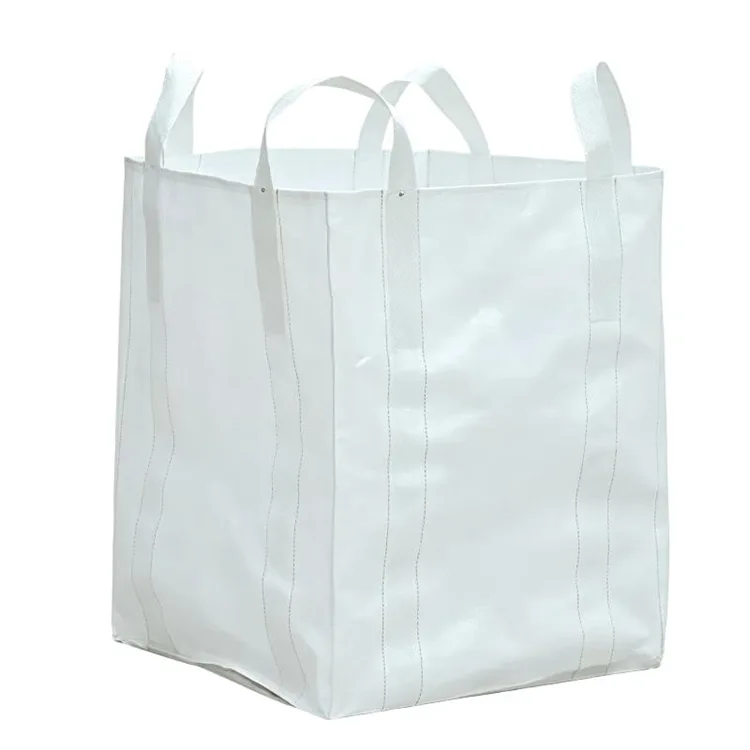
Flood Control Ton Bags

Table of Contents

  1. What Are Flood Control Ton Bags?
  2. How Do Ton Bags Support Flood Protection?
  3. Key Features and Material Considerations
  4. Where Are Flood Control Ton Bags Used?
  5. Ton Bags vs. Other Flood Control Products
  6. How to Choose the Right Flood Control Ton Bags
  7. Storage, Handling, and Maintenance
  8. Frequently Asked Questions
  9. Conclusion: Preparing for Reliable Flood Protection

What Are Flood Control Ton Bags?

Flood control ton bags are large-capacity industrial bags designed to hold and transport bulk materials used in flood prevention, emergency response, and engineering projects. Often associated with flexible intermediate bulk containers (FIBCs), these bags can accommodate materials such as sand, soil, gravel, and other suitable filling media, depending on the product design and intended application.

Unlike conventional small sandbags, ton bags are intended for handling substantially larger volumes of material. Their size makes them useful when flood protection projects require bulk material transportation, temporary reinforcement, or the rapid positioning of heavy loads. Appropriate lifting equipment can also help reduce manual handling requirements on large worksites.

Jianghe specializes in flood prevention materials and emergency response supplies. Its flood control ton bags feature thickened, wear-resistant materials and a sturdy structure. The company also supports export-oriented bulk purchasing, with packaging and shipment arrangements designed for international orders.

However, not every industrial bulk bag is suitable for flood protection. Buyers should confirm the bag's intended application, safe working load, lifting configuration, filling material compatibility, and exposure conditions before selecting a product.


How Do Ton Bags Support Flood Protection?

Effective flood prevention depends on more than placing barriers in the path of rising water. Site conditions, water pressure, ground stability, leakage paths, and deployment time all influence the effectiveness of a temporary protection system. Flood control ton bags can support these operations by providing a practical way to position bulk filling materials where reinforcement is needed.

1. Reinforcing Vulnerable Areas

When properly filled and positioned, ton bags can help reinforce selected sections of temporary embankments, construction boundaries, and other vulnerable areas. Their weight can contribute to stability, provided the ground conditions, bag configuration, and overall arrangement are suitable for the expected loading.

2. Supporting Emergency Material Deployment

Flood emergencies often require large quantities of sand or soil to be moved within a limited period. Using ton bags can simplify the organization of these materials and allow machinery to assist with transportation and placement. This can be particularly useful for municipal engineering teams, water conservancy contractors, and emergency response departments.

3. Improving Bulk Material Logistics

Large-capacity bags help consolidate loose materials into manageable units for storage and transportation. When supported by suitable lifting equipment and handling procedures, this approach can improve material distribution across construction sites and emergency supply depots.

It is important to understand that ton bags are not automatically watertight barriers. Their performance depends on the fabric, seams, closures, filling material, and installation method. Projects requiring controlled water resistance or continuous seepage protection should specify the necessary design features and verify suitability with the supplier.


Key Features and Material Considerations

The performance of flood control ton bags depends on the relationship between material strength, construction quality, handling requirements, and operating conditions. A bag that works well for ordinary material transportation may not be appropriate for prolonged exposure to water, abrasive surfaces, or demanding flood response conditions.

Thickened, Wear-Resistant Fabric

Fabric durability is an important consideration when bags are moved across rough ground or exposed to repeated handling. Jianghe's flood control ton bags are described as using thickened, wear-resistant materials. Buyers should confirm the specific fabric composition, coating or lamination options, and resistance requirements for their projects.

Sturdy Structural Design

Bag construction must support the intended contents and handling method. The body, lifting loops, seams, and bottom structure should be assessed as a complete system. Rated capacity alone does not establish whether a bag is suitable for a particular lifting operation.

Export-Oriented Packaging

For international procurement, packaging quality can affect the condition of goods during storage, loading, and shipping. Jianghe describes export-grade standard packing, pallet stretch-film reinforcement, and standard English shipping marks for its flood control ton bags. Buyers should confirm the final packing arrangement according to container loading plans and destination requirements.

  • Material durability: Check resistance to abrasion, tearing, and the anticipated environmental conditions.
  • Load capacity: Confirm the safe working load and applicable handling instructions.
  • Lifting configuration: Verify that loops, lifting points, and equipment are compatible.
  • Construction quality: Review seams, fabric consistency, and bottom integrity.
  • Project suitability: Determine whether liners, coatings, UV protection, or other specifications are required.

Where Are Flood Control Ton Bags Used?

Flood control ton bags can support different types of flood prevention and engineering work when selected and installed according to project requirements. Their principal advantage is the ability to handle large quantities of filling material in a consolidated format.

Riverbanks and Embankment Reinforcement

Water conservancy projects may use filled bulk bags for temporary reinforcement, localized repairs, and material placement along vulnerable sections of riverbanks. Engineers must assess slope stability, erosion risks, foundation conditions, and water pressure before determining the appropriate arrangement.

Municipal Flood Response

During heavy rainfall and flooding, local authorities may need to organize materials for temporary protection around selected infrastructure or vulnerable locations. Ton bags can help move and position suitable filling materials as part of a coordinated response plan.

Construction Sites and Industrial Facilities

Excavations, temporary earthworks, industrial yards, and construction zones may require localized protection against runoff or rising water. Ton bags can support temporary material barriers where site-specific engineering assessments establish their suitability.

Emergency Stockpiling and Disaster Preparedness

Emergency management departments and contractors may purchase ton bags in advance to maintain a reserve of essential flood response materials. Organized stockpiles can improve procurement readiness, particularly when paired with filling materials, transport equipment, trained personnel, and documented deployment procedures.

For broader emergency supply planning, buyers can also explore Jianghe's emergency flood control materials to evaluate complementary products for different operating scenarios.


Ton Bags vs. Other Flood Control Products

Flood protection projects rarely depend on a single product. Ton bags, traditional sandbags, and modular flood barriers each serve different purposes. The right selection depends on the scale of the operation, available labor, installation conditions, and the type of protection required.

Comparison Factor Flood Control Ton Bags Traditional Sandbags Modular Flood Barriers
Typical scale Bulk material handling and large-scale placement Small-scale or localized protection Temporary barrier systems
Filling requirements Requires suitable bulk filling material Requires sand or other approved fill Depends on the specific barrier design
Handling method Often suited to mechanical handling when properly rated Frequently handled manually Varies by system and module size
Deployment considerations Requires suitable placement and lifting arrangements Labor-intensive when large quantities are needed Requires compatible components and installation planning
Best-fit applications Bulk reinforcement and material logistics Localized barriers and smaller protection tasks Designed temporary flood defense layouts

These products are not interchangeable in every situation. For example, a modular barrier designed to control surface water may perform a different function from a filled ton bag used for bulk material placement. In some projects, combining multiple flood protection products provides a more practical solution than relying on one type alone.


How to Choose the Right Flood Control Ton Bags

For distributors, contractors, and government procurement teams, choosing a suitable product requires a clear understanding of both operational needs and purchasing specifications. The lowest purchase price may not represent the best value if the bags are unsuitable for the required load, difficult to handle, or vulnerable to premature damage.

Define the Required Specifications

Before requesting quotations, prepare a specification sheet covering the intended use, approximate bag dimensions, required safe working load, filling material, lifting method, and expected environmental exposure. These details help suppliers recommend products that match the project rather than relying on assumptions based on the term "ton bag."

Evaluate Supplier Manufacturing and Quality Control

Consistent fabric quality, reliable stitching, and clear inspection procedures are essential for bulk bag procurement. Ask suppliers about raw material selection, seam inspection, load-related testing, product traceability, and inspection documentation applicable to the requested model.

Review Customization and Supply Capacity

Large projects may require specific dimensions, colors, lifting arrangements, packaging methods, or shipping marks. Confirm whether customization is available, whether samples can be reviewed, and how production schedules align with the required delivery date.

When comparing quotations, consider the following purchasing checklist:

  • Confirm the intended application and required product configuration.
  • Request documented safe working load and handling instructions.
  • Check dimensions, fabric specifications, seams, and lifting loops.
  • Determine whether water-resistant features or UV protection are necessary.
  • Clarify minimum order quantities, customization options, and lead times.
  • Verify export packaging, shipping marks, and destination requirements.
  • Compare product quality, logistics costs, technical support, and after-sales service.

For buyers seeking a long-term supplier, transparent specifications and consistent quality management are especially important when placing repeat orders or preparing emergency inventories.


Storage, Handling, and Maintenance

Appropriate storage and handling help preserve bag integrity before deployment. Even durable woven materials can be damaged by sharp objects, excessive loads, unsuitable lifting methods, or prolonged environmental exposure.

Recommended Storage Practices

  • Store unused bags in a clean, dry, and ventilated area.
  • Protect fabric from unnecessary prolonged sunlight and harsh weather.
  • Keep bags away from sharp edges, abrasive surfaces, and incompatible chemicals.
  • Organize stock by product specification and procurement batch where practical.
  • Inspect stored inventory periodically, especially before flood season.

Safe Filling and Lifting

Never exceed the manufacturer's rated working load. Use compatible lifting equipment, engage the designated lifting points correctly, and keep personnel clear of suspended loads. Avoid dragging filled bags across surfaces that could cut or puncture the fabric.

Before deployment, inspect the bag body, seams, bottom, and lifting loops for visible damage. Bags with compromised structural components should be removed from service unless a qualified assessment establishes an approved course of action.

Most importantly, ton bags should be deployed as part of an established flood response plan. They do not replace engineering assessments, evacuation procedures, or purpose-designed water barriers where those measures are required.


Frequently Asked Questions

1. What are flood control ton bags used for?

Flood control ton bags are used to contain and transport bulk materials for flood prevention, embankment reinforcement, emergency construction, water conservancy projects, and other applications requiring large quantities of filling material.

2. What materials are used to manufacture flood control ton bags?

Many industrial bulk bags use woven polypropylene fabric, although the exact material depends on the product specification. Jianghe describes its flood control ton bags as using thickened, wear-resistant materials. Buyers should confirm the precise material composition and any coating or liner options before ordering.

3. Can flood control ton bags stop water from entering a building?

They may contribute to temporary flood protection when appropriately filled and positioned, but standard bulk bags should not automatically be considered watertight. Building protection depends on the water level, leakage paths, installation details, and product design. A purpose-designed flood barrier may be more appropriate for certain entrances or openings.

4. How do I determine the load capacity of a ton bag?

Check the manufacturer's rated safe working load, product documentation, lifting configuration, and intended use. The term "ton bag" does not guarantee a specific load rating. Never determine safe capacity from appearance or bag dimensions alone.

5. Are customized flood control ton bags available for bulk orders?

Customization requirements can include dimensions, fabric specifications, lifting arrangements, and export packaging. Contact Jianghe with your application details and order quantity to confirm available configurations, production requirements, and quotation options.

6. What should international buyers check before placing an order?

International buyers should verify product specifications, load ratings, packaging, shipping marks, minimum order quantities, delivery schedules, and applicable import requirements. It is also helpful to request samples or relevant inspection documents when product performance is critical to the project.


Conclusion: Preparing for Reliable Flood Protection

Flood control ton bags offer a practical option for bulk material handling, temporary reinforcement, and flood emergency preparedness. Their value depends on selecting suitable materials, confirming load capacity, following safe handling procedures, and matching the product to the actual site conditions. For large-scale projects, careful supplier evaluation and advance stock planning can help improve procurement efficiency and operational readiness.

Jianghe provides flood prevention materials for bulk purchasing and emergency response applications, with an emphasis on durable construction, export-oriented packaging, and supply support. Whether you are sourcing materials for municipal flood prevention, water conservancy engineering, construction projects, or emergency stockpiling, explore Jianghe's flood control ton bags and contact us to discuss your specifications, request a tailored quotation, and identify a suitable supply solution for your project.

Related News
Leave me a message
X
We use cookies to offer you a better browsing experience, analyze site traffic and personalize content. By using this site, you agree to our use of cookies. Privacy Policy
RejectAccept