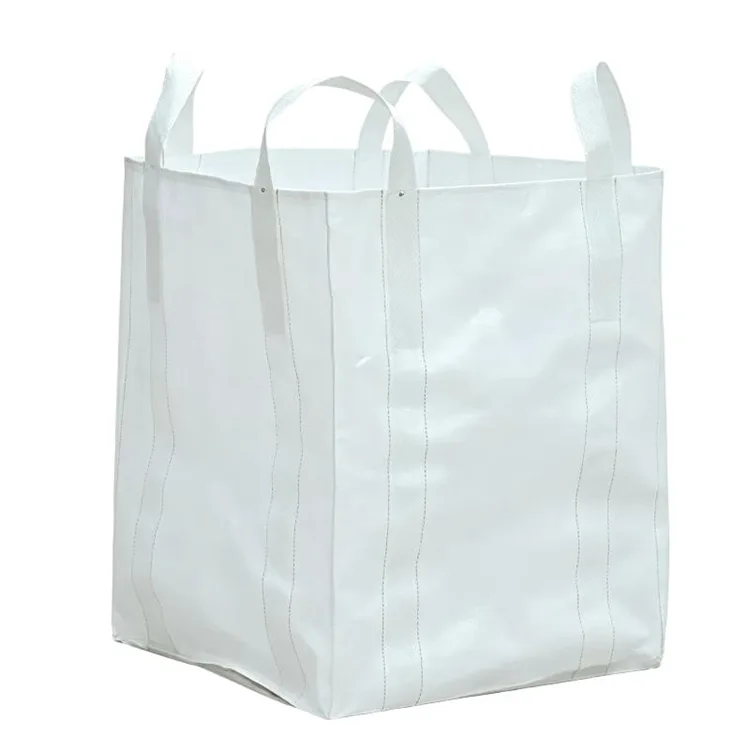
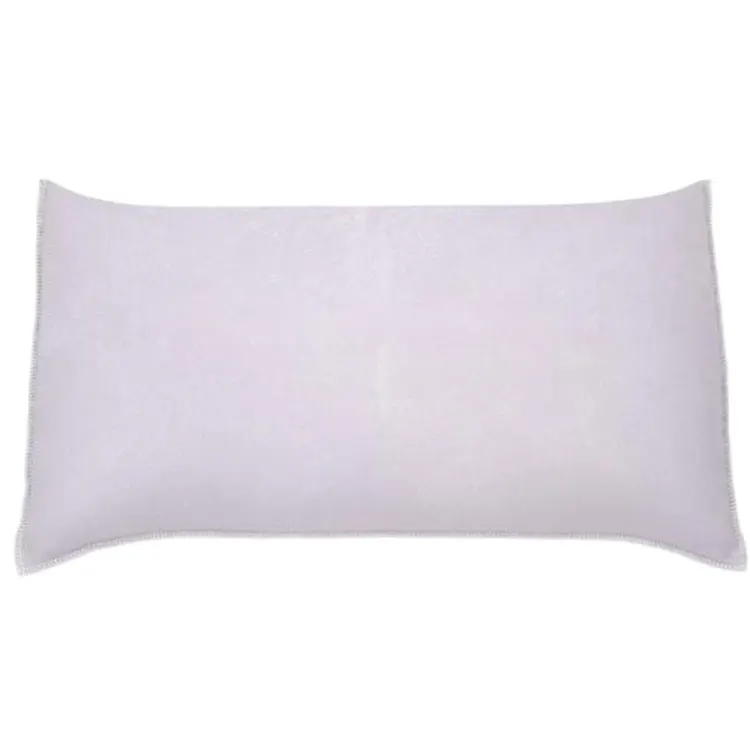
Water-Absorbent Expansion Bag are the core emergency supplies for modern emergency flood prevention, garage water blocking, underground entrance and exit flood prevention, and pipe surge sealing. With the advantages of no need to load sand, rapid expansion in water, and lightweight and easy to carry, they fully replace traditional sand sandbags. But most of the problems of flood prevention and water blocking leakage, collapse, and water blocking failure are not product quality issues, but rather caused by non-standard construction and stacking of Water-Absorbent Expansion Bag. Incorrect stacking methods can lead to hidden dangers such as interlayer gaps, wall slippage, bottom water seepage, and overall overturning, directly reducing the effectiveness of water retention and flood prevention. This article combines official flood prevention construction standards to provide a detailed explanation of the standardized construction stacking specifications, layered stacking process, slope structure requirements, anti-seepage reinforcement techniques, and construction taboos for water absorbing expansion bags. It helps construction personnel quickly build stable, zero leakage flood prevention and water retaining walls.
1、 Core execution standard for construction stacking of Water-Absorbent Expansion Bag
The Water-Absorbent Expansion Bag is different from the traditional sand filling sandbag. It relies on the high polymer water absorbing resin to expand and compact when in contact with water, forming a waterproof layer. Stacking construction needs to follow the four core principles of staggered stacking, layered compaction, narrow upper and wide lower, and tight fitting and sealing. At the same time, it conforms to the construction standards of various residential and emergency flood control projects, and is suitable for full scene construction such as underground garages, basements, factory entrances, river enclosures, and pipe surge sealing.
Industry standard for hard stacking:
• Stacking structure: It is strictly prohibited to stack vertically or through seams. Red brick staggered stacking must be used, and the gaps between the upper and lower layers must be completely staggered to prevent direct seepage channels
• Height control: It is recommended that the height of the conventional water retaining wall should not exceed 3/4 of the height of the hole/entrance/exit, and a safety buffer space should be reserved to avoid water overflowing the roof
Slope standard: When the stacking height exceeds 50cm, a 45 ° slope must be constructed to stabilize the dam body. A pyramid shaped structure with a wider bottom and narrower top must be used, and the base width should be three times the height of the wall to enhance its resistance to water flow impact
• Compaction requirements: Each stacked layer needs to be manually stepped and compacted to level the top surface of the bag, eliminate interlayer gaps, and prevent sliding and leakage
• Edge sealing: There are no gaps at the beginning and end, against the wall, or against the ground, the bag body is tightly overlapped, and the folding seal is tightly fitted
2、 Standardized stacking construction steps for Water-Absorbent Expansion Bag
A standardized construction process is the key to ensuring water retention effectiveness. From grassroots treatment, bag activation to layered stacking, reinforcement and finishing, each step has clear construction standards. The specific practical process is as follows:
1. Pre treatment of construction base layer
Before stacking construction, it is necessary to clean up the gravel, sediment, accumulated water, and debris on the ground of the construction area to ensure that the ground is flat, dry, solid, and without protrusions. If the ground is uneven, it is necessary to simply level it to avoid the bag being suspended and unevenly stressed, which can cause water seepage in the gaps. At the same time, clean the dust and stains on the contact surfaces of the walls and columns to ensure a tight fit between the expansion bag and the wall, and eliminate the hidden danger of water leakage on the sides.
2. Pre activation treatment of Water-Absorbent Expansion Bag
Completely immerse the dry Water-Absorbent Expansion Bag in clean water or natural rainwater, and it can quickly absorb water and expand at room temperature for 3-5 minutes to achieve a full and dense state. The activated expansion bag has uniform weight, colloidal filling, and good shaping and sealing effects. It is prohibited to directly stack dry and deflated bags that have not fully expanded, otherwise there may be problems such as insufficient expansion, large interlayer gaps, and serious leakage in the later stage. At the same time, avoid excessive soaking to prevent the colloidal precipitation and strength decrease of the bag body.
3. Bottom foundation stacking (key anti-seepage layer)
The bottom layer is the core of the entire water retaining wall for stable anti-seepage, and the construction requirements are the highest. The end of the activated Water-Absorbent Expansion Bag should be tightly adhered and seamlessly laid flat, and the bag body should be folded and pressed into the bottom to avoid warping and leaking. Align and straighten the entire row of bags, tightly squeeze each other, without looseness or gaps. The width of the bottom layer should be greater than that of the upper layer, with reserved slope allowance, and a sturdy pyramid shaped foundation should be built to prevent wall sliding and overturning from the root.
4. Middle layer staggered stacking and compaction
The second and upper layers strictly follow the principle of staggered stacking, with the splicing gaps of the two expansion bags corresponding to the lower layer placed in the center, completely covering the interlayer gaps and preventing direct water leakage channels. After each layer of stacking is completed, it must be manually stepped and compacted throughout the entire process to level the surface of the bag and ensure that the layers are tightly adhered, thereby improving the overall density and stability. Jumping stacking, gap alignment, and single-layer ultra-high stacking are strictly prohibited.
5. High rise slope reinforcement and stacking
When the stacking height reaches more than 50cm, the grading construction specification must be implemented, and the pyramid structure of collecting points layer by layer shall be adopted. The water side of the wall shall maintain a stable slope of 45 °, and the base width shall be set in strict accordance with 3 times of the wall height. High rise stacking is prohibited from vertical and upright stacking. Vertical walls have extremely poor resistance to water flow impact, and turbulent water flow during flood season can easily lead to overall wall collapse and water permeability failure.
6. Top and side sealing closure
After the wall stacking is completed, the top bag body should be kept flat and full, without any depressions or suspensions. The gaps between the two sides of the wall and the wall, columns, and ground can be filled and sealed with small expansion bags and waterproof adhesive strips to completely eliminate water seepage points at the corners. At the same time, ensure that the overall wall is straight and orderly, with even stress distribution, and improve the overall water retention performance.
3、 Exclusive stacking construction specifications for different scenarios
1. Underground garage, basement entrance and exit water blocking
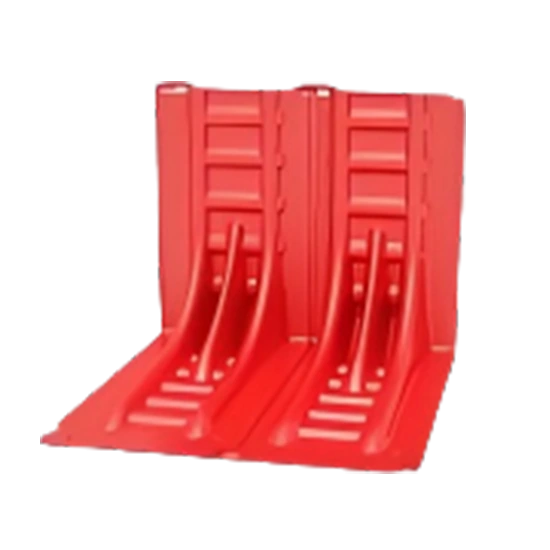
The core of this scene is to prevent backflow and overflow, and the stacking position is preferably selected at the highest point of the entrance and exit ramp and inside the drainage ditch. Multiple layers of staggered stacking are adopted, and the height of the wall is controlled at 3/4 of the water blocking height at the entrance and exit. If the height exceeds 50cm, a 45 ° slope dam body must be constructed. The whole wall can be reinforced with simple water baffle to improve the water pressure resistance and adapt to the scene of rainstorm ponding.
2. River channels, foundation pits, and enclosures that are adjacent to water for water retention
In the scene of facing turbulent water flow, the wide base pyramid stacking method must be used throughout the entire process, with the base widened and gradually narrowed layer by layer, increasing the load-bearing area of the wall. Double the compaction of each layer to increase the stacking density. If necessary, additional weights can be added to the back of the wall to resist the continuous impact of water flow and prevent wall sliding and collapse.
3. Pipe surge, gap and leak sealing
For emergency response to pipeline leaks, wall gaps, and foundation piping, there is no need for high-rise stacking, and the main approach is to lay multiple layers of tightly staggered joints and compact sealing. The expansion bag is fully attached to the vulnerable area, compacted and sealed layer by layer, with a focus on sealing the gap points, blocking the water seepage channel, and quickly curbing the problem of pipe surge and water seepage.
4、 Taboos and common errors in stacking construction of Water-Absorbent Expansion Bag
Most water blocking failures are caused by non-standard construction, and the following stacking taboos must be strictly avoided to ensure flood prevention effectiveness:
Prohibition of vertical stacking with straight seams: aligning the gaps between the upper and lower layers and stacking vertically will form a direct water seepage channel, leading to rapid large-scale leakage and extremely poor wall stability
• Prohibit direct stacking without activation: dry bags are stacked directly, causing uneven expansion when exposed to water, loose bag bodies, and large gaps that cannot form a sealed waterproof layer
Prohibition of high-rise construction without slope: Walls over 50cm in height should be stacked vertically without slopes or wide bases, and are prone to overturning and collapse under water pressure impact
Prohibition of interlayer non compaction: Omitting the step of stepping and compacting, there are many interlayer gaps and poor adhesion, and slight water accumulation can cause water seepage in the gaps
• Prohibit leaving empty corners: leaving gaps at the junction of walls, floors, and walls is the most common water seepage point, which directly leads to the failure of water blocking projects
5、 Reinforcement and anti-seepage optimization techniques after stacking
To further enhance the stability and anti-seepage effect of the Water-Absorbent Expansion Bag water retaining wall, after standardized stacking is completed, it can be combined with a simple reinforcement process to optimize performance and adapt to high-strength flood prevention scenarios:
1. Overall compaction and leveling: After construction is completed, step on and level again comprehensively, check all interlayer and corner gaps, and re compact and fill any loose or suspended points.
2. Corner sealing treatment: Use waterproof sealant, geotextile or small expansion bags to fill and seal the gaps at the base and sides of the wall to prevent water seepage at the corners.
3. Auxiliary fixing and reinforcement: In strong winds, turbulent water flows, and ultra-high water blocking scenarios, ropes, brackets, and weight blocks can be used to assist in fixing and prevent wall displacement and sliding.
4. Layered leak detection inspection: Focus on checking the staggered positions of the upper and lower layers, as well as the joint positions of the base, to ensure that there are no direct gaps and to guarantee the overall waterproof performance.
6、 Specification for Maintenance and Demolition after Construction
After stacking and forming the Water-Absorbent Expansion Bag, there is no need for complex maintenance. Let it stand for 5-10 minutes to fully expand and compact the bag body, which can achieve the best water blocking effect. During the flood season, regularly inspect the walls for looseness, water seepage, and displacement, and promptly reinforce and reinforce them.
After the flood prevention is over, the bag body can be naturally dried and shrunk. The intact and undamaged Water-Absorbent Expansion Bag can be cleaned and stored for future use. Damaged and ineffective bags should be uniformly recycled and disposed of according to environmental protection requirements to avoid environmental pollution.
Summary
The core specifications for the construction and stacking of Water-Absorbent Expansion Bag can be summarized as follows: staggered stacking, layered compaction, narrow top and wide bottom, high-rise sloping, and corner sealing. Strictly following the standardized stacking process and abandoning incorrect construction methods such as straight stacking, through seams, and non compaction is the key to ensuring zero leakage, impact resistance, and stable water retention of water absorbing expansion bags. Whether it is daily flood prevention reserve construction or emergency sealing operations, standardized stacking can maximize the flood prevention performance of water absorbing expansion bags, effectively solving flood prevention problems such as underground space water accumulation, river overflow, and pipe leakage.
We use cookies to offer you a better browsing experience, analyze site traffic and personalize content. By using this site, you agree to our use of cookies. Privacy Policy