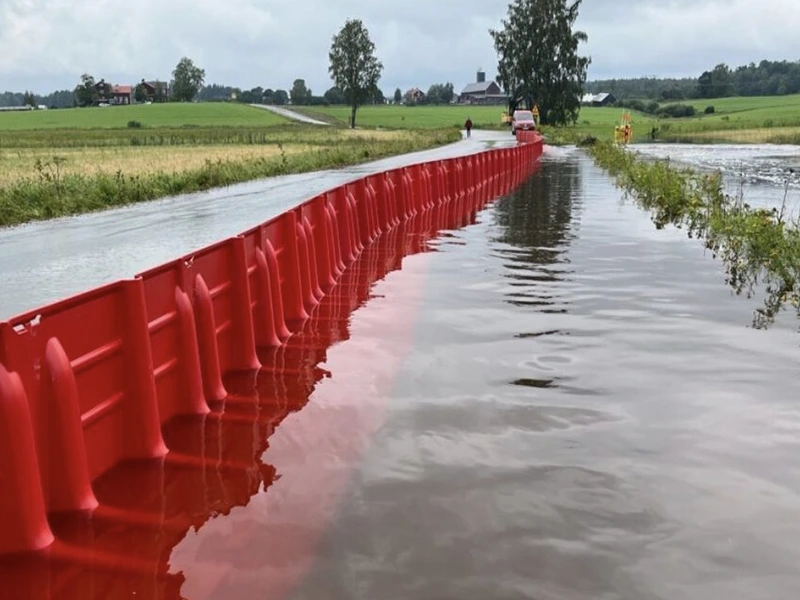
Flood protection is critical for municipal emergency departments, factories, underground garages, warehouses and residential buildings. Traditional sandbags have long been the mainstream flood barrier solution. However, they have obvious drawbacks: heavy weight, large storage footprint, labor-intensive filling and messy cleanup.
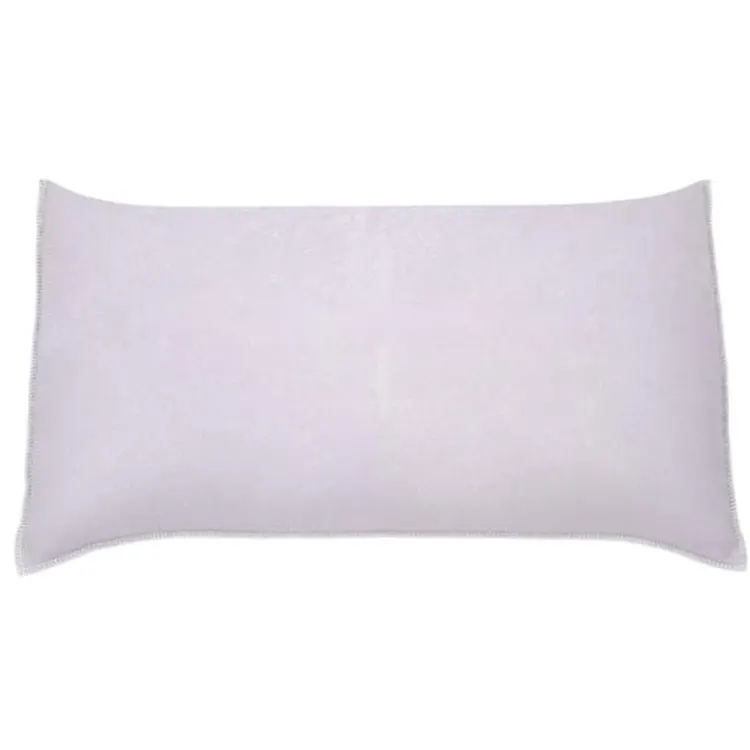
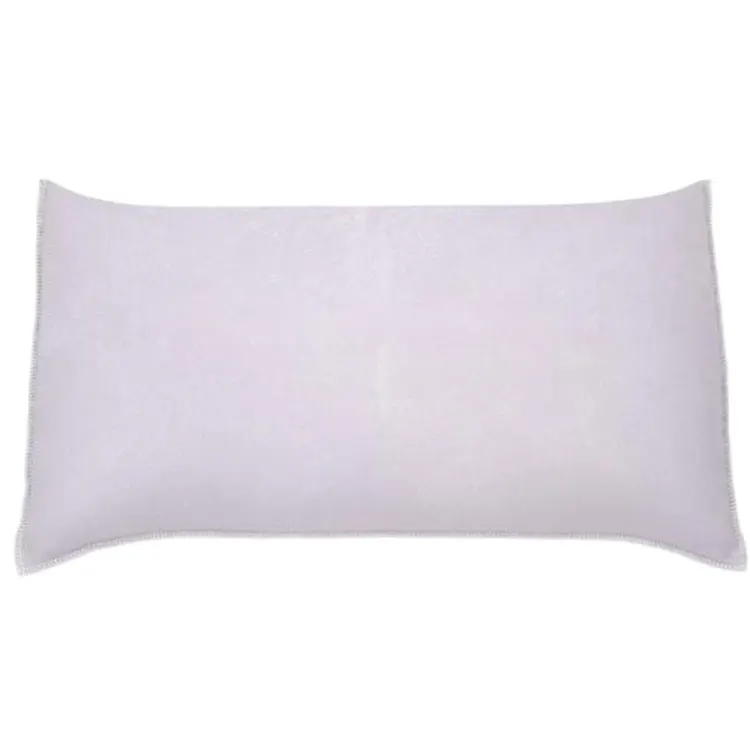
Water-Absorbent Expansion Bag are an innovative sandless flood barrier. Filled with super absorbent polymer inside non-woven fabric, they absorb water and expand within 3–5 minutes to form a solid water retaining wall. This article explains the main advantages of water-activated flood bags compared with traditional sandbags.
1. Ultra-light Weight & Compact Storage
Traditional sandbags must be pre-filled with sand. Each filled sandbag weighs around 15–20 kg, requiring large warehouse space for stockpiling. Transporting and stacking pre-filled sandbags consumes heavy logistics resources.
Water-Absorbent Expansion Bag are lightweight and thin before activation. One dry bag is only about 250–420 grams. They can be stacked flat in cartons, occupying less than 1/50 storage space of equivalent sandbags.
Advantage: Easy to store in basements, gate rooms, emergency cabinets. Bulk shipment reduces freight cost significantly.
Suitable for pre-stock emergency preparation for enterprises and communities.
2. No Sand Required, Fast Emergency Deployment
Traditional sandbag deployment needs sand, shovels and multiple workers. Filling, tying and stacking take a long time. During sudden floods, sand source shortage often delays flood defense.
Water-Absorbent Expansion Bag need no sand. Simply place the bags in floodwater or soak them. Within 3–5 minutes, the internal SAP absorbs water and expands to full weight of about 20 kg. One operator can complete the stacking work quickly.
Advantage: Rapid response for sudden rainstorms and flash floods. No need to search for sand on site.
The expanded bags fit tightly together, minimizing gaps between bags and reducing seepage.
3. Lower Labor & Handling Cost
Traditional sandbag projects require teams for loading, filling, carrying and stacking. Heavy sandbags increase physical burden and injury risk.
Water-Absorbent Expansion Bag are dry and lightweight before use. Staff can carry large quantities quickly. Only minimal manpower is needed for emergency flood defense. It greatly cuts labor expenses for flood preparation and emergency rescue.
4. Clean & Eco-friendly Post-disposal
Traditional sandbags contain sand. After flood events, sand spillage creates dust and soil pollution. Sand disposal is difficult and costly. Discarded sandbags often leave messy residues on site.
Water-Absorbent Expansion Bag use non-toxic super absorbent polymer and non-woven fabric. After drying, the material can be handled normally without sand contamination. The polymer is harmless to soil and water.
Advantage: Simple cleanup after flood, no residual sand pollution.
5. Stable Sealing Performance
Filled traditional sandbags are rigid. Irregular shapes create gaps between adjacent bags, which easily cause water seepage.
Water-Absorbent Expansion Bag expand flexibly. When stacked, they deform slightly to fit each other tightly. The self-sealing effect reduces leakage along the barrier. It works well for doorways, curved corners and irregular flood blocking positions.
6. Convenient Long-term Reserve
Traditional filled sandbags degrade easily. Fabric rotting, sand hardening and bag breakage occur during long storage. Regular replacement is necessary.
Dry Water-Absorbent Expansion Bag have stable shelf life under dry warehouse storage. They keep intact for long-term standby without frequent maintenance.
Limitation Reminder
Water-Absorbent Expansion Bag are excellent for temporary emergency flood blocking. For extremely high water pressure and long-duration levee reinforcement projects, traditional sandbags still have their application scenarios. Users should select products according to actual flood height and holding time.
Summary
Compared with traditional sandbags, Water-Absorbent Expansion Bag stand out for light dry weight, small storage volume, no sand requirement, fast deployment, low labor input, tight sealing and easy environmental cleanup. They are widely adopted for emergency flood protection of underground garages, factory gateways, warehouse entrances and municipal flood prevention.
We use cookies to offer you a better browsing experience, analyze site traffic and personalize content. By using this site, you agree to our use of cookies. Privacy Policy