Article Summary: Effective flood protection requires equipment that can be deployed quickly, adapt to different ground conditions, and provide dependable water resistance. Jianghe has developed the Telescopic Combined Flood Control Board to address these requirements through a retractable modular structure combining high-strength carbon steel and waterproof Oxford cloth. With a 90 cm flood control height, adjustable telescopic width of 15–130 cm, and reusable design, this solution is suitable for residential garages, factory entrances, municipal roads, and river flood prevention projects. This article explains its structure, working principles, technical specifications, practical applications, and purchasing considerations.
1. What Is a Telescopic Combined Flood Control Board?
2. How Does the Telescopic Flood Barrier Work?
3. What Are Its Key Structural and Performance Features?
4. Technical Specifications and Product Parameters
5. Where Can Telescopic Combined Flood Control Boards Be Used?
6. How Does It Compare with Traditional Flood Protection Methods?
7. How to Install and Maintain the Flood Control Board?
8. How to Choose the Right Flood Protection Solution?
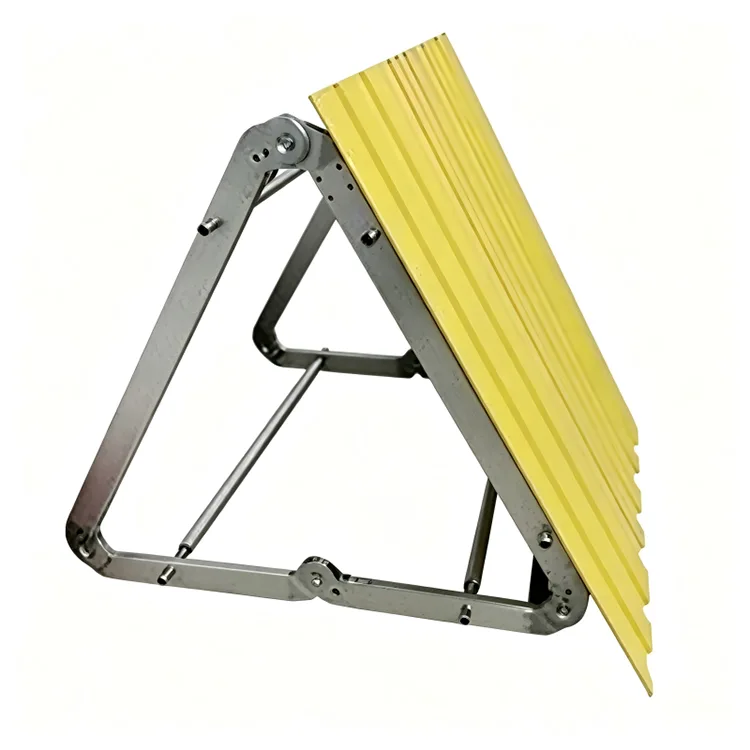
A Telescopic Combined Flood Control Board is a modular water-retaining barrier designed to help prevent floodwater from entering buildings, industrial facilities, underground spaces, and other vulnerable areas. Unlike conventional flood barriers with fixed dimensions, its retractable structure allows users to adjust the width according to the actual installation requirements.
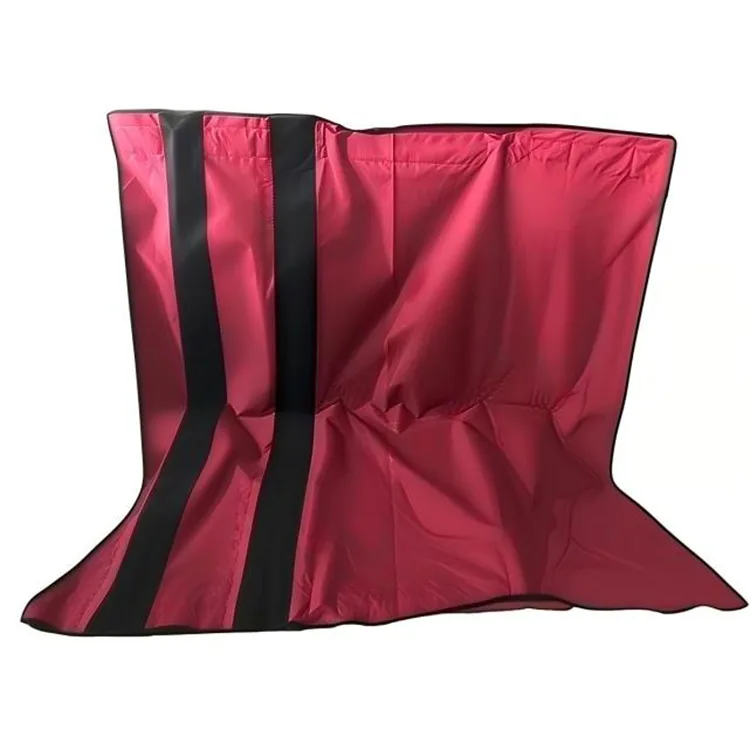
The product developed by Jianghe Flood Prevention combines high-strength carbon steel pipes with thickened PVC waterproof Oxford cloth. This composite construction provides structural support while creating a flexible water-blocking surface.
Its main design characteristics include:
These characteristics make it a practical option for property owners and facility managers seeking flexible flood prevention equipment rather than permanent civil engineering installations.
The operating principle of a telescopic combined flood barrier involves mechanical support, adjustable positioning, and waterproof fabric containment. These elements work together to establish a temporary water-retaining boundary.
First, the carbon steel structural components provide the supporting framework. The waterproof Oxford cloth forms the main water-blocking surface. Users then extend and adjust the structure to match the required opening width before securing the assembly in its intended position.
Once installed correctly, the barrier helps prevent water from passing through the protected entrance or designated boundary.
Ground conditions remain an important consideration. Uneven surfaces, drainage channels, gaps, and other irregularities may affect sealing performance. Appropriate surface preparation and supplementary sealing measures should therefore be included in the installation plan.
The performance of temporary flood protection equipment depends on more than its nominal height or material strength. Structural stability, sealing, installation efficiency, and maintenance requirements all influence its suitability for emergency applications.
The main supporting framework uses high-strength carbon steel pipes. According to the product specifications, the material has a tensile strength of 629 MPa and a yield strength of 611 MPa.
These mechanical properties provide useful reference data when evaluating the supporting material. However, the overall load-bearing capacity of the assembled barrier also depends on its structural configuration, connections, installation conditions, and water loading.
The thickened PVC waterproof Oxford cloth forms the water-retaining section. Compared with rigid all-plastic structures, the flexible fabric construction can better accommodate certain ground irregularities when installed with suitable sealing treatment.
The adjustable width ranges from 15 cm to 130 cm, allowing the product to accommodate different installation dimensions. Its retractable structure also makes transportation and storage more convenient.
Jianghe states that one to two people can assemble a 5-meter section in approximately 3–5 minutes without tools. This installation efficiency can be valuable during emergency preparation, when reducing deployment time is essential.
The detachable construction also supports repeated use, provided that the structural components, waterproof fabric, and sealing parts are inspected and maintained properly.
Before purchasing flood protection equipment, buyers should evaluate its dimensions, materials, weight, and mechanical properties against actual project requirements. The following table summarizes the published specifications of Jianghe's telescopic combined flood control board.
| Parameter | Specification | Technical Significance |
|---|---|---|
| Product Name | Telescopic Combined Flood Control Board | Retractable modular flood protection equipment |
| Flood Control Height | 90 cm | Nominal barrier height |
| Telescopic Width | 15–130 cm | Adjustable installation width |
| Product Weight | 5.6 kg | Convenient handling and transportation |
| Main Material | High-strength carbon steel pipe | Structural support |
| Waterproof Material | PVC waterproof Oxford cloth | Water-retaining surface |
| Tensile Strength | 629 MPa | Reference mechanical property |
| Yield Strength | 611 MPa | Reference mechanical property |
| Assembly Time | Approximately 3–5 minutes for a 5-meter section | Rapid deployment under specified conditions |
| Assembly Personnel | 1–2 people | Reduced installation labor requirements |
Important engineering note: The product has a nominal flood control height of 90 cm. Jianghe also describes a water-head performance of up to 1.2 m under its stated conditions. Buyers should request the corresponding test conditions, installation configuration, and engineering documentation before using this figure as a project design limit. Actual allowable water levels must follow the manufacturer's verified instructions and site-specific engineering assessment.
Flood risks vary considerably between residential buildings, industrial facilities, and municipal infrastructure. A flexible flood barrier can help provide localized protection in places where permanent flood gates are difficult to install or temporary protection is required.
Heavy rainfall and surface runoff can cause water to accumulate around residential entrances and garage doors. A telescopic flood control board can be deployed across suitable openings to help reduce the risk of water entering indoor spaces.
Industrial facilities may contain electrical equipment, machinery, raw materials, and finished products that are vulnerable to water damage. Temporary barriers can help protect selected access points during periods of elevated flood risk.
Municipal emergency response teams can use portable flood barriers at selected road sections, low-lying access points, and other locations affected by temporary water accumulation. Their modular configuration supports flexible deployment planning.
In certain riverfront applications, temporary barriers can provide supplementary protection around vulnerable facilities and access areas. Site assessment is necessary to determine whether the product is appropriate for the expected water pressure, flow velocity, and ground conditions.
Different flood protection solutions have different advantages and limitations. The best option depends on deployment frequency, available storage space, ground conditions, expected water levels, and project budgets.
| Comparison Factor | Telescopic Combined Flood Control Board | Sandbags | Traditional Plastic Barriers | Fixed Flood Gates |
|---|---|---|---|---|
| Installation | Quick modular assembly | Labor-intensive placement | Generally straightforward | Requires permanent installation |
| Width Adjustment | Telescopic adjustment | Flexible placement | Depends on product design | Usually fixed dimensions |
| Ground Adaptability | Suitable for flat and uneven ground with sealing treatment | Can accommodate irregular surfaces | Model-dependent | Depends on civil construction |
| Storage | Retractable and detachable | Requires material storage | Depends on barrier design | Permanent installation |
| Reusability | Reusable after inspection | Limited by bag condition | Generally reusable | Long-term fixed use |
| Typical Application | Temporary and localized flood protection | Emergency water blocking | Temporary surface protection | Permanent entrance protection |
One important advantage of a telescopic combined flood barrier is its balance of adjustability, portability, and reusable construction. Nevertheless, it should not automatically replace engineered permanent flood protection systems in locations exposed to severe or prolonged flooding.
Correct installation is essential for achieving reliable flood protection. Even a well-designed barrier may perform poorly if the ground is contaminated, the structure is improperly adjusted, or sealing components are damaged.
Regular maintenance helps preserve the serviceability of reusable flood protection equipment. Recommended practices include:
Users should never exceed the specified 90 cm flood control height or use the barrier as a platform, stepping surface, or leaning support. Avoid installation in strong-flow conditions beyond the product's verified operating limits.
Selecting suitable flood protection equipment requires a clear understanding of the site rather than simply comparing product prices. Procurement teams should evaluate several technical and operational factors before making a decision.
For large-scale projects, buyers should also consider the number of barrier sections required, connection arrangements, corner configurations, and site-specific sealing requirements. A complete flood prevention plan should integrate portable barriers with drainage systems, emergency pumps, monitoring, and evacuation procedures where appropriate.
Jianghe's product information and other telescopic combined flood control board details can serve as a starting point for technical evaluation and procurement discussions.
Its main advantage is the combination of adjustable width, modular construction, and convenient deployment. Unlike fixed-size barriers, the telescopic structure can accommodate different opening dimensions, making it suitable for various temporary flood protection scenarios.
The product mainly uses high-strength carbon steel pipes for structural support and thickened PVC waterproof Oxford cloth for the water-retaining surface. This combination provides a balance of structural rigidity and flexible waterproof protection.
The published nominal flood control height is 90 cm. Jianghe also mentions performance of up to a 1.2 m water head under specified conditions. These figures should not be treated as interchangeable. Buyers should confirm the applicable test conditions and approved operating limits with the manufacturer before project deployment.
Yes. The product is designed for both flat and uneven ground, helping overcome a limitation of some conventional plastic flood barriers. However, uneven surfaces still require appropriate cleaning and sealing treatment to minimize leakage.
According to Jianghe, one to two people can assemble a 5-meter section in approximately 3–5 minutes without tools. Actual installation time depends on site preparation, the number of sections, and operating conditions.
Yes. Its detachable structure supports repeated use. After each deployment, users should clean and dry the waterproof fabric, inspect the steel framework and connections, and replace damaged components before storage or reuse.
It can be used for suitable industrial applications, including factory entrances, warehouse access points, and selected equipment protection areas. Project managers should evaluate expected water levels, water flow, ground conditions, and the required protection configuration before installation.
Buyers should provide the required barrier quantity, installation width, desired protection height, site ground conditions, application scenario, and delivery destination. Photographs or drawings of the installation area can also help the manufacturer evaluate the project and recommend a suitable configuration.
Flood prevention requires equipment that combines practical design, dependable materials, convenient installation, and manageable maintenance. A Telescopic Combined Flood Control Board offers a flexible solution for temporary flood protection across residential, commercial, industrial, and municipal environments.
With its high-strength carbon steel framework, waterproof PVC Oxford cloth, adjustable 15–130 cm width, and 90 cm nominal flood control height, Jianghe's product provides a practical option for projects that require portable and reusable water-blocking equipment. Proper site assessment, ground preparation, installation, and routine inspection remain essential to achieving reliable protection.
Choosing an experienced flood prevention equipment manufacturer can also simplify product selection and project planning. Jianghe is committed to developing practical flood control and emergency response solutions for different application requirements. If you are looking for a dependable flood protection solution for residential properties, industrial facilities, or municipal infrastructure, contact us today to discuss your project specifications, request product details, and obtain a customized quotation from our professional team.