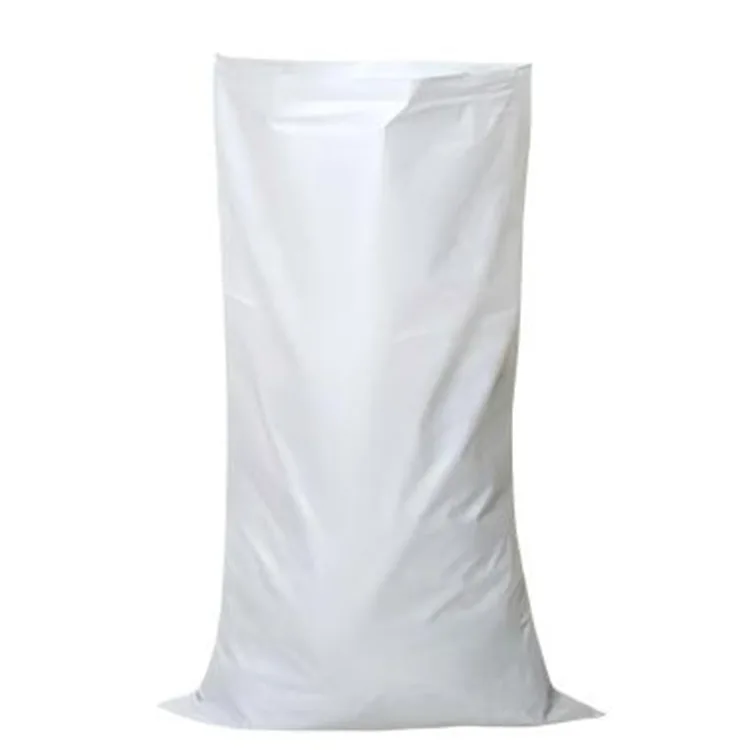
Water-Absorbent Expansion Bag are widely used for emergency water blocking and piping stoppage. Teams in northern regions, mountain water conservancy stations and industrial property sites may face floods from snowmelt, burst water pipes and basement backflow even in winter. Many operators follow summer operation routines directly, only to find slow swelling, poor forming effect and unsatisfactory water sealing. They often blame product quality, while the real reason is that low temperature slows down the water absorption of super absorbent polymer (SAP). Combined with icy water, ice formation and stiff outer fabric, winter deployment requires a totally different set of procedures from flood seasons at normal temperature. Whether for pre-emergency drills or sudden on-site response, mastering these cold-weather rules helps the expansion bags perform as designed.
Low temperature impacts the working principle of Water-Absorbent Expansion Bag. The core SAP resin is sensitive to water temperature. Cold water reduces molecular activity and slows down water uptake and gel formation. A bag that fully swells within a few minutes in room-temperature water may take more than ten minutes in near-freezing water. If ice covers the water surface, liquid water cannot reach the resin at all, and the bag stays inactive. The nonwoven outer fabric also hardens in cold conditions, losing flexibility. Stacked bags fit poorly against each other and leak more easily along seams.
First, crews should check water conditions and distinguish cold liquid water, icy water and frozen surfaces. Deployment is manageable when the water stays liquid with no floating ice. Never lay expansion bags directly on solid ice. Ice cannot be absorbed by SAP, which creates a false barrier. If thin ice or slush exists, break the ice layer away to expose flowing liquid water before placing bags. When the ambient temperature stays below zero, expanded bags are not suitable for long-term retention. They are only for short urgent sealing and should be replaced by sandbags or rigid barriers as soon as possible.
Stacking layout also needs adjustment. Simple flat stacking works well in warm weather, but cold bags lose flexibility after swelling. Use staggered laying and offset upper and lower layers to avoid aligned gaps. After placement, natural immersion is acceptable, but spraying with slightly warmer clean water speeds up activation when available. If only icy water can be used, reserve much longer waiting time. Do not judge full expansion by surface dampness and apply water pressure prematurely. Most cold-weather failures happen because the bags have not absorbed enough water and cannot resist hydraulic pressure.
Pre-warming stored bags is another often-missed step. Bags kept outdoors or in unheated storage stay cold together with the environment. Directly putting frozen bags into cold water doubles the low-temperature effect and further delays swelling. Move required bags indoors to a sheltered area and let them gradually warm above 5°C before use. Never use open flame or concentrated hot air blowers. Excessive heat damages nonwoven fabric and permanently degrades internal SAP resin.
Salt and sediment cause bigger troubles in winter. Snowmelt runoff often carries sediment and de-icing salts. High salinity suppresses SAP absorption capacity, while sediment clogs the permeable nonwoven layer and blocks water ingress. When handling snowmelt floodwater, clear loose sediment at the barrier line first. Prepare extra bags as safety margin and do not calculate quantity based on clean water conditions.
Protect expanded bags from refreezing. Once fully swollen bags stay exposed below zero, free water on the surface freezes. Frozen gel turns hard and brittle. The flexible sealing advantage disappears, and the bag cracks easily under pressure or vibration, leading to gel leakage and barrier collapse. Cover finished barriers with tarpaulins to block cold wind and slow freezing if possible. Once the whole bag freezes solid, it loses sealing function and needs replacement immediately.
Procurement and pre-testing should also be planned for winter scenarios. Buyers in cold zones can ask suppliers for test reports recorded under low-temperature water conditions and select grades formulated with low-temperature tolerant SAP. Store bags in dry, frost-free warehouses and avoid repeated freeze-thaw cycles. Discard units with broken packaging, as pre-moistened resin will fail on site. Winter drills should not copy summer standards; run tests in icy water so all team members understand the extended waiting time.
It is important to set reasonable expectations. In icy, high-salinity snowmelt flood scenarios, Water-Absorbent Expansion Bag are best for short emergency sealing at equipment rooms and cable trench entrances. Sandbags remain more stable for long-duration barriers and high-head frozen sections. Combining both types gives the most reliable protection.
To summarize the key operating points for winter Water-Absorbent Expansion Bag: avoid laying on ice and expose liquid water first; pre-warm stored bags naturally and forbid high-temperature heating; extend waiting time for full expansion before loading water pressure; stagger stacking to reduce seam leakage; watch out for salt and sediment in snowmelt water; shield finished bags against refreezing; recognize application limits and match with sandbags for long-term blocking. Following these practices helps emergency teams make good use of expansion bags in cold weather and avoid wasted materials during flood response.
We use cookies to offer you a better browsing experience, analyze site traffic and personalize content. By using this site, you agree to our use of cookies. Privacy Policy