Water-Absorbent Expansion Bag are widely adopted as flood control supplies these days. Many procurement teams from water authorities, property management and industrial facilities compare Water-Absorbent Expansion Bag with conventional sandbags when updating emergency stock. Lots of teams have relied on sand-filled bags for years and are familiar with on-site filling and stacking, yet they are unsure where expansion bags fit best. Their strengths are not about fully replacing sandbags, but solving long-standing pain points in emergency response, labor cost and storage space. Whether you manage an emergency warehouse or arrange flood barriers on site, understanding the difference helps you build a proper water-stopping plan.
Traditional sandbags are woven sacks filled with sand or soil for water retention. This proven method has been used for decades. It relies on the weight of sand to form a stable barrier. Raw sand is easy to source, and empty bags carry a low unit price at first glance. Yet its drawbacks show up sharply during flood events. When heavy rain hits, crews need plenty of workers to shovel sand, fill bags and tie openings. Locating sand stock takes time, and labor shortages often delay critical sealing work. Filled sandbags are heavy, each weighing dozens of kilograms. Moving and stacking them demands heavy physical work, which is hard for security staff or untrained personnel.
Storage and transport are another headache for sandbags. Empty sacks are compact, but matched sand stock takes up massive floor space and creates dust. Sand stored long-term clumps up when damp. Woven sacks degrade quickly under sunlight. After use, sand mixes with mud and debris. Disposal is messy and expensive. Uneven filling also leaves gaps between stacked sandbags, requiring extra soil to plug leaks. The sealing effect heavily depends on workers’ experience.
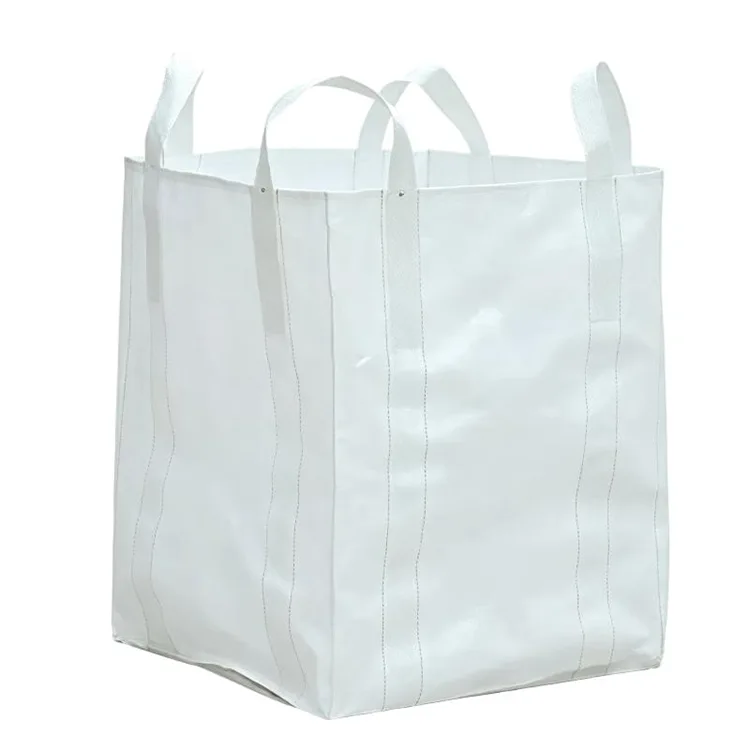
Water-Absorbent Expansion Bag contain super absorbent polymer (SAP) sealed inside permeable nonwoven fabric. They come pre-packed and require no filling before deployment. Once exposed to water, the outer fabric lets water pass through, and the internal SAP absorbs water and turns into gel within minutes. Expanded gel-filled bags press tightly against each other to form a continuous barrier.
The first obvious advantage is fast response. No sand, shovels or tying work is needed. When flooding starts, crews place dry expansion bags at the intended barrier line. Sprinkling or submerging them triggers expansion. This works well for pipe leakage sealing, basement entry protection and power room flood defense. Even a small team can set up the barrier rapidly without being held back by sand preparation.
They also save huge storage space. Dry Water-Absorbent Expansion Bag are lightweight and compressed. One dry unit usually weighs only a few hundred grams. Storing them creates no dust and needs far less warehouse area than sand piles. Properly packed and kept away from sunlight, they maintain a long shelf life. For cross-region emergency dispatch, more units fit in one truckload compared with sandbags.
Labor requirements are much lower. Sandbagging is strenuous work. Dry Water-Absorbent Expansion Bag are light enough for one person to carry multiple pieces at once. No extra tools are required, and basic training lets security teams operate them reliably. This benefit matters especially for night-time emergencies when manpower is limited.
Better sealing between stacked bags is another key merit. After expansion, the gel-filled bag stays flexible. When stacked under pressure, they conform to each other and seal gaps automatically. Rigid sandbags leave obvious seams that commonly leak. With correct overlapping layout, expansion bags reduce seam seepage effectively.
It is important to note that Water-Absorbent Expansion Bag are not superior in every scenario. They are designed for short-term emergency blocking, pipe stoppage and indoor backflow prevention. For permanent cofferdams, high-head rushing water and large levee reinforcement, traditional sandbags have greater mass and better resistance against strong current, so they remain irreplaceable. High sediment load in floodwater may clog fabric pores and slow absorption. Cold water also extends expansion time, which operators need to account for in advance.
A common procurement mistake is comparing only the unit price. One Water-Absorbent Expansion Bag costs more than an empty woven sack. But once you factor in sand purchase, labor, warehouse rent and post-flood cleanup, the total cost can be lower for many property and industrial stock programs. Disposal after use is also simpler than sand mixed with sludge.
To sum up: compared with traditional sandbags, Water-Absorbent Expansion Bag skip on-site filling, cut response time, save storage and shipping space, reduce labor burden and form tighter flexible seams after swelling. They excel at rapid emergency defense. The best practice is to stock both types, combining fast-deploy expansion bags and heavy-duty sandbags for a complete flood control system.
We use cookies to offer you a better browsing experience, analyze site traffic and personalize content. By using this site, you agree to our use of cookies. Privacy Policy