Changshu Jianghe Flood Prevention Products CO., Ltd.
News

In what scenarios is a Tracked Drainage Robot used

2026-07-08 0 Leave me a message

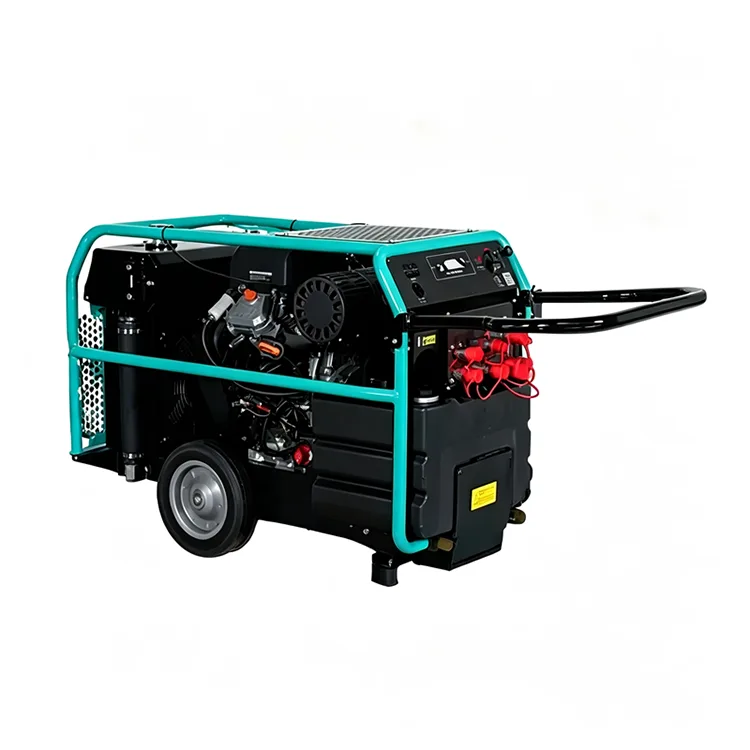
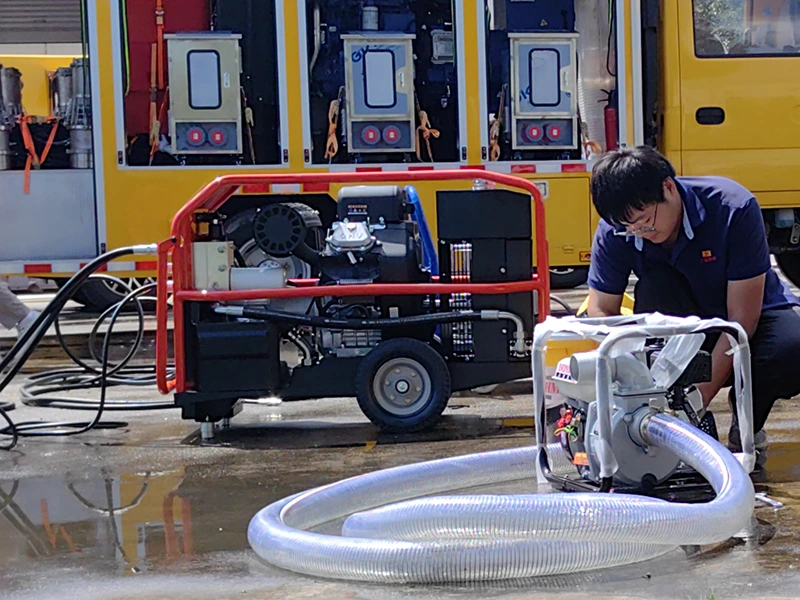
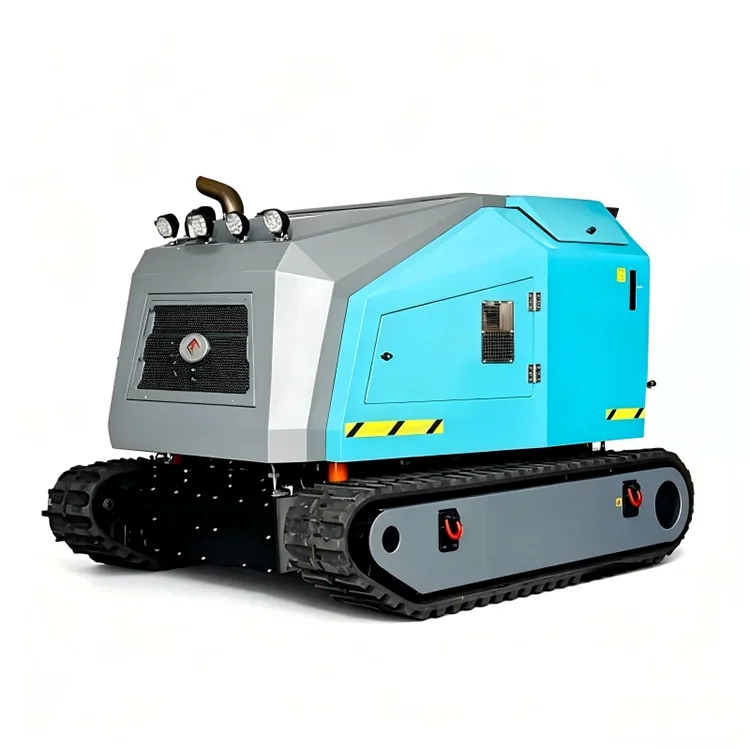
      The Tracked Drainage Robot relies on four core characteristics: a wide tracked off-road chassis, remote control, high flow sewage pump, and amphibious capabilities. It is specifically designed for water collection and drainage operations where people cannot wade through water at close range, the terrain is muddy and narrow, and there is a risk of electric shock/poisoning/collapse. It is divided into six categories: emergency flood prevention and drainage, municipal pipeline dredging, high-risk water accumulation in industrial and mining areas, underground space in tunnels, water conservancy channels, and construction sites.

1、 Urban waterlogging and underground confined spaces (the most mainstream scenario)

Underground garage, civil defense basement

The rainstorm pours back the accumulated water, the internal space is closed, the cables are dense and easy to leak, and the risk of electric shock of personnel wading into the water is high; The track can smoothly enter deep water areas and remotely extract sediment and accumulated water without the need for personnel to enter the water.

Subway stations, tunnels, urban culverts

The tunnel is narrow, with poor lighting and deep water accumulation, making it impossible for large vehicles to enter; Small tracked models can shuttle through tracks and maintenance channels, quickly drain tunnel water, and ensure the resumption of rail transit traffic.

Low lying streets and alleys in the old city area, as well as low-lying road sections in residential areas

Old style roads are narrow, muddy and bumpy, and wheeled water pumps are prone to getting stuck in vehicles; The ground pressure of the track is low, and the muddy and gravel road surface does not slip, quickly dealing with short-term water accumulation in the block.

Underpass and underpass of overpasses

The rainstorm quickly accumulates water, and the vehicle is easy to be trapped. The robot can reach the low-lying point at the first time to continuously drain water to prevent the vehicle from flooding.

2、 Municipal pipeline network, culvert, culvert dredging and drainage

Large rainwater box culvert, underground drainage culvert

Mud and tree branch garbage accumulate inside the pipeline, and there is a risk of biogas and drowning when manually entering the well; The tracked robot is equipped with a suction winch, which can simultaneously clear silt and pump out sewage, achieving the operation of "no one going down the well".

Pump station collection well, rainwater storage tank

The bottom of the pool is compacted with silt and mixed with debris, resulting in low efficiency of manual cleaning; The underwater crawler model can fully dive into the bottom of the pool, suction mud and sewage, and clean up the sediment at the bottom of the pool.

Urban drainage main pipeline

In the deep water section of large-diameter pipelines, traditional water pumps cannot move, and tracked robots travel along the pipeline to extract and drain accumulated water in sections and clear blockages.

3、 High risk water accumulation scenarios in industrial and mining areas (special for explosion-proof and anti-corrosion models)

Disposal of accumulated water in chemical and petrochemical parks

The mixed chemical waste liquid and oil pollution caused by waterlogging in the factory area pose potential risks of corrosion, poisoning, and explosion; Explosion proof tracked robots operate remotely, with personnel operating in a safe area to avoid chemical contact injuries.

Water accumulation in coal mines and metal mine tunnels

The underground tunnels are muddy and slippery, with flammable and explosive gas, and the risk of manual drainage is extremely high; Mining explosion-proof tracked robots are used to extract water and silt from tunnels to prevent flooding and production stoppage.

Water tanks in power plants and sewage treatment plants

Cooling tower, biochemical sedimentation tank, sludge tank dredging and drainage, sewage containing corrosive media, equipment with fully anti-corrosion track body, long-term stable underwater pumping of sludge and wastewater.

Energy storage and new energy plant basement

The accumulation of water in the battery compartment poses a risk of short circuit and fire. The remote-controlled drainage robot can quickly drain the accumulated water, reducing the risk of fire.

4、 Fire emergency rescue drainage

Cleaning of accumulated water at the fire scene after the disaster

After extinguishing the fire, there is a large amount of accumulated fire water inside the building, which poses a risk of collapse and electrical leakage; Robots replace personnel to enter dangerous buildings, pump out accumulated water, and facilitate subsequent search and rescue, as well as post disaster cleanup.

Fire emergency water supply for large factories and warehouses

It can drive to rivers and ponds to fetch water, and provide continuous water supply for fire trucks remotely as a mobile water intake module.

Collection of hazardous chemical leakage and accumulated water

The leaked liquid mixed with rainwater forms polluted standing water. The robot tightly sucks and collects the waste liquid to prevent the spread of sewage and pollution of soil and rivers.

5、 Flood control operations in water conservancy, river channels, and reservoirs

Drainage and dredging of shallow river channels and narrow tributary sections

Large dredging ships are unable to enter shallow water areas, and tracked amphibious robots walk on riverbanks and shallow water bottoms to extract silt and clean up river siltation.

Emergency rescue of reservoir cofferdam and dam pipe surge

Leakage and accumulation of water on the back side of the embankment, robots quickly reach the danger point to pump out the accumulated water, reduce the water pressure of the embankment, and prevent the collapse of the embankment; Clean up the silt in the reservoir area after flood discharge.

Clearing silt and replacing water in fish ponds and aquaculture ponds

The sludge at the bottom of the aquaculture pond is pumped out without emptying the entire pond water, and the tracks do not sink into the soft mud pond bottom.

6、 Infrastructure construction sites, road and bridge engineering scenes

Construction dewatering for building foundation pits and basements

The foundation pit has long-term accumulated water and soft silt, and the crawler equipment can move freely inside the pit to continuously pump out groundwater and ensure civil construction.

Bridge sinking well, tunnel construction vertical shaft

The underwater construction site has accumulated water and sediment, and robots dive into the bottom of the well to pump out mud water to assist in underwater construction.

Construction drainage of highway and highway culverts

There is no fixed power supply for outdoor construction sites, and diesel powered tracked robots can move autonomously to handle construction water accumulation around the clock.

7、 Other niche special scenes

Dredging and drainage of shallow water areas in ports and docks

Extracting silt from shallow waters of the dock berth and clearing debris and accumulated water in the waterway;

Emergency drought resistant water supply

During drought periods, water is taken from rivers and ponds for remote irrigation of farmland;

Regular inspection and drainage of civil air defense and underground pipe galleries

The underground comprehensive pipe gallery is constantly leaking water, and small tracked robots regularly inspect and automatically extract accumulated water.


Related News
Leave me a message
X
We use cookies to offer you a better browsing experience, analyze site traffic and personalize content. By using this site, you agree to our use of cookies.Privacy Policy
RejectAccept