Article Summary: Emergency situations often develop faster than organizations can react. Floods, storms, water accidents, industrial incidents, and other disasters can create dangerous conditions within minutes, making reliable rescue equipment essential for protecting people and reducing operational delays. This article explains how Emergency Rescue Equipment supports rapid response, what equipment categories are most important, how to build an effective emergency equipment system, and which factors should be considered when selecting products for demanding rescue environments.
Emergency response is fundamentally a race against time. During a flood, water rescue operation, severe storm, industrial accident, or evacuation, rescue teams may have only a limited window to establish safe access, locate people, provide flotation, illuminate dangerous areas, and move personnel or supplies.
This is why Emergency Rescue Equipment should not be viewed as a collection of isolated products. A well-planned equipment system combines personal protection, rescue tools, lighting, flotation devices, emergency power, communication support, and other resources according to the risks of a particular location.
For organizations responsible for public safety, municipal emergency management, flood prevention, water conservancy, industrial safety, or disaster relief, the main challenge is not simply purchasing equipment. The real challenge is ensuring that the right equipment is available, accessible, compatible, easy to deploy, and ready when an emergency occurs.
Changshu Jianghe Flood Prevention Products Co., Ltd. provides emergency rescue and flood-control products for demanding response environments, including water rescue, flood relief, emergency evacuation, and public safety applications. Its product range covers multiple categories that can be combined into practical emergency response solutions.
Emergency equipment provides practical support when normal infrastructure, transportation, lighting, communications, or access routes have been disrupted. Its value is measured by how effectively it helps responders perform essential tasks under difficult conditions.
For example, floodwater can cover roads and low-lying areas, while strong currents can make ordinary movement extremely dangerous. A suitable flotation device can help protect a person in the water, while a rescue rope or throwing device can allow responders to assist from a safer position.
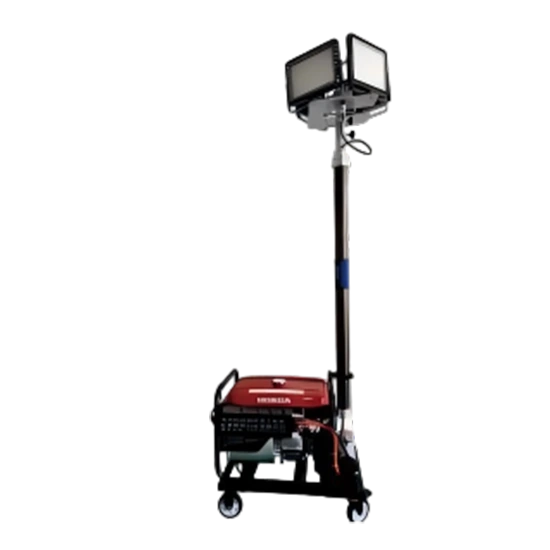
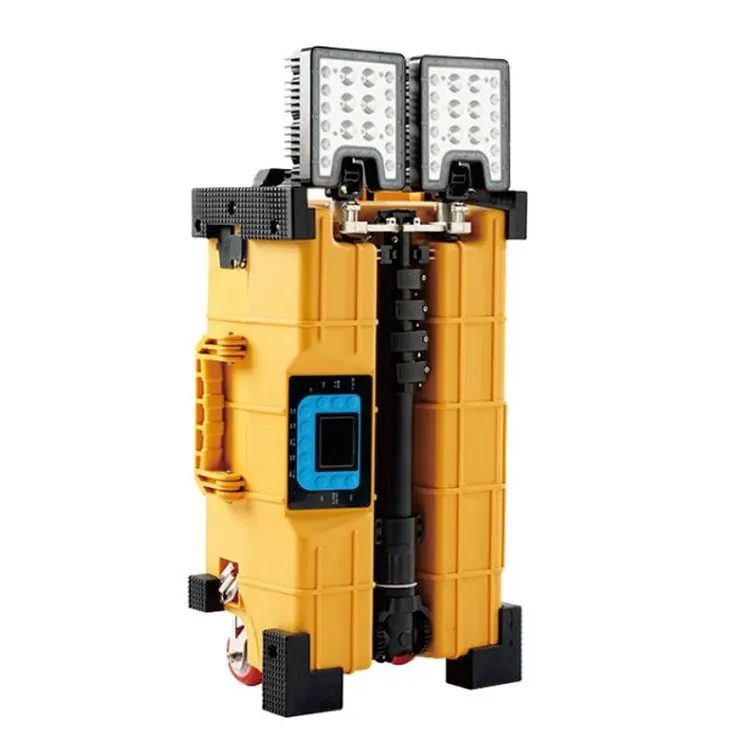
During nighttime emergencies, visibility becomes another critical issue. Portable lighting can help rescue teams inspect flooded locations, establish temporary work areas, identify hazards, and coordinate operations.
The most useful emergency equipment therefore addresses several practical requirements:
There is no single product that can address every emergency scenario. Effective preparedness usually requires several complementary equipment categories.
| Equipment Category | Primary Function | Typical Applications |
|---|---|---|
| Water Rescue Equipment | Support flotation and water rescue operations | Floods, rivers, reservoirs, docks, marine environments |
| Rescue Ropes and Poles | Extend the responder's reach and improve rescue access | Water rescue, evacuation, obstacle rescue |
| Emergency Lighting | Improve visibility during low-light operations | Night rescue, power outages, disaster sites |
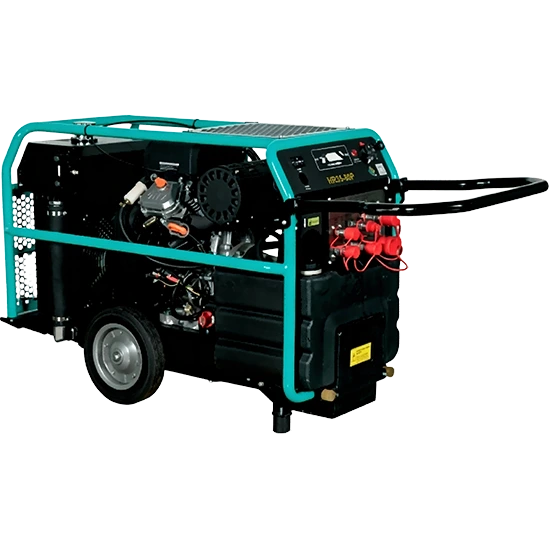
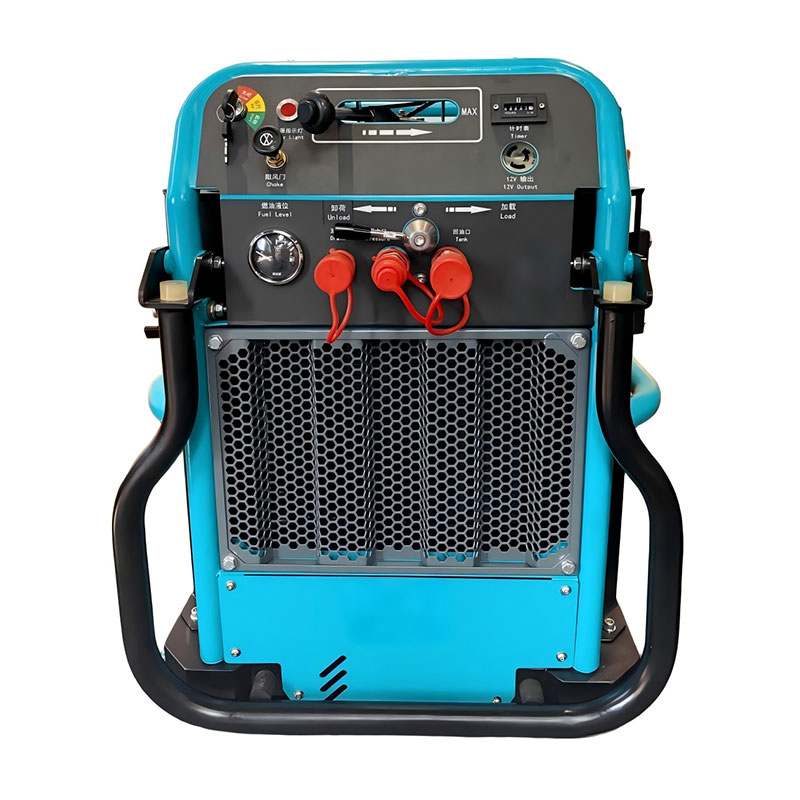
| Portable Power Systems | Provide temporary electrical support | Emergency command areas and field operations |
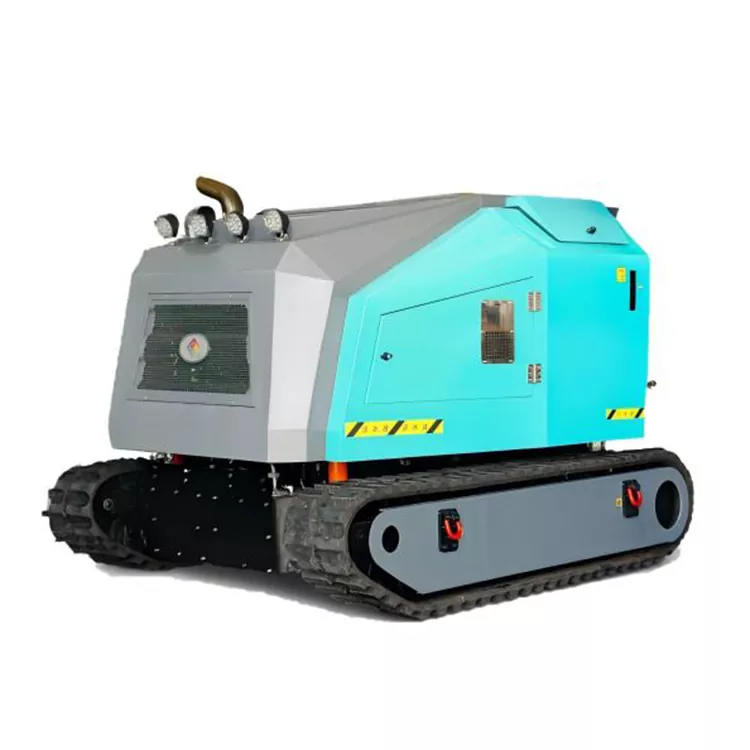
| Hydraulic Rescue Tools | Assist with demanding rescue tasks | Accident response and specialized rescue |
| Personal Protective Equipment | Protect responders from environmental and operational hazards | Flood response, industrial incidents, emergency work |
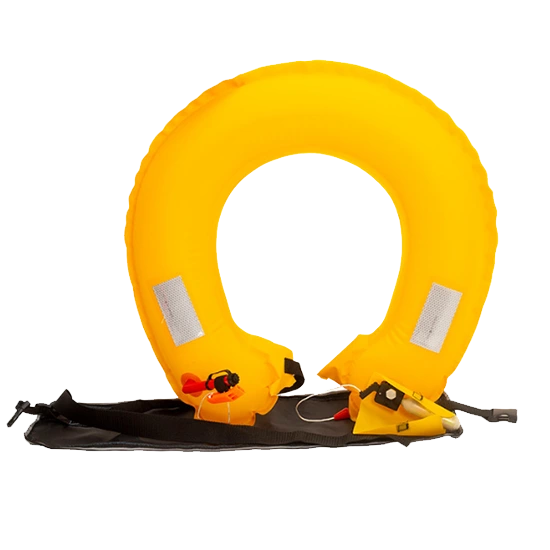
| Inflatable Rescue Devices | Provide rapidly deployable flotation support | Water rescue and emergency evacuation |
Flooding creates a particularly complex rescue environment because water depth, flow velocity, debris, weather, visibility, and access conditions can change rapidly. Equipment intended for water rescue therefore needs to support both responder safety and rapid intervention.
Life jackets are among the most important pieces of water-rescue equipment. They provide buoyancy and help reduce the risk of drowning when personnel are working around water. Different operating environments may require different life-jacket designs, so users should consider buoyancy requirements, fit, material durability, visibility, and intended application.
Life buoys provide another practical rescue option. Foam and inflatable designs can be used according to the application and storage requirements. A compact inflatable product may be particularly useful where storage space and transport weight are important considerations.
Rescue ropes and rescue poles help responders maintain greater distance from hazards while attempting to reach a person. This can be especially valuable when unstable ground, deep water, strong currents, or contaminated floodwater makes direct approach unsafe.
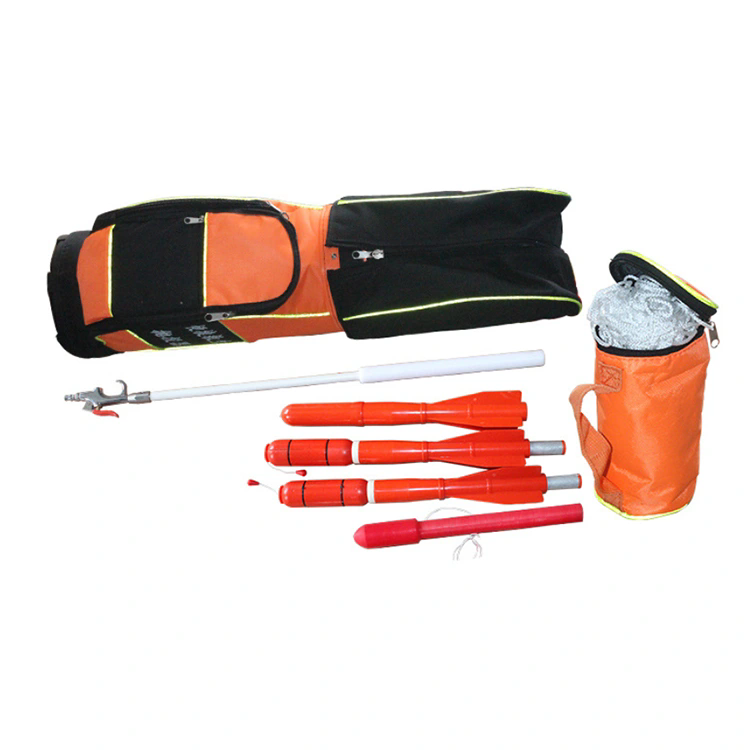
For longer-distance intervention, a portable life rescue thrower can provide an additional method of delivering a rescue line or flotation aid toward a person in need. The objective is to increase reach while allowing the responder to remain in a comparatively controlled position.
Many emergency operations continue after sunset or inside areas where normal electrical systems have failed. Poor visibility can slow down rescue work and increase the risk of slips, falls, collisions, and incorrect decisions.
Emergency lighting equipment should therefore be evaluated as part of the complete response plan rather than as an optional accessory.
Important considerations include:
For flood control teams, municipal responders, and industrial emergency personnel, portable lighting can help establish safe working zones while other rescue equipment is being deployed.
Modern emergency response increasingly depends on electrical equipment. Communication devices, lighting systems, monitoring equipment, chargers, and other field tools may require power even when the local grid is unavailable.
A portable power supply can therefore become an important component of an emergency response kit. When selecting a system, organizations should consider expected load, operating time, portability, charging method, environmental conditions, and compatibility with field equipment.
Power planning should also include redundancy. Depending on one power source can create a single point of failure. Critical response operations may benefit from multiple independent power options based on the duration and scale of the emergency.
Rescue personnel face hazards while assisting others. Floodwater can conceal holes, sharp objects, electrical hazards, unstable structures, and contaminated materials. Industrial accident sites can introduce additional mechanical, chemical, thermal, or structural risks.
Personal protective equipment should therefore be selected according to the specific hazards identified during emergency planning.
A practical protection strategy may include:
Equipment alone does not eliminate risk. Personnel should also receive appropriate training and understand operating procedures before an emergency occurs.
Choosing emergency equipment based only on price or product appearance can result in an inadequate response system. A more effective approach begins with the actual hazards and operational requirements.
Start by listing the hazards that are realistically expected in the operating area. A coastal facility may prioritize water rescue and marine safety, while an industrial site may require a broader combination of protective equipment, lighting, power, and specialized rescue tools.
Consider how many responders may need equipment simultaneously. A small emergency team has different requirements from a municipal department supporting multiple communities.
Equipment used outdoors may encounter rain, mud, standing water, wind, temperature changes, dust, and rough handling. Products should be appropriate for the conditions in which they will actually be deployed.
Emergency equipment that requires complicated preparation can delay response. Lightweight, portable, clearly labeled, and easy-to-access products can improve operational efficiency.
Emergency supplies are only useful if they can reach the incident location. Storage cabinets, response vehicles, mobile emergency stations, and centralized warehouses should be planned according to the scale of operations.
Different products should work together within the same response procedure. For example, life jackets, rescue ropes, rescue poles, lighting, and communication equipment should be positioned so that responders can access them without unnecessary movement.
Fast response depends on organization as much as equipment quality. Even high-quality products can become ineffective if responders cannot find them quickly.
A practical deployment system should include:
These procedures help convert emergency equipment from stored inventory into a functioning response capability.
Emergency equipment may remain unused for long periods and then be required immediately. This creates a special maintenance challenge: products must remain ready despite infrequent operation.
Organizations should establish an inspection schedule based on product type, manufacturer recommendations, environmental exposure, and frequency of use.
Routine checks can include:
After an actual rescue operation, equipment should be cleaned, inspected, repaired, recharged, and returned to its designated storage location as soon as practical.
Emergency Rescue Equipment can support a wide variety of response scenarios. Its configuration should always reflect the specific hazards, personnel, terrain, and operating procedures of the user.
| Application | Typical Equipment Needs | Main Objective |
|---|---|---|
| Flood Control | Life jackets, ropes, rescue poles, lighting, emergency supplies | Protect personnel and support rapid flood response |
| Water Rescue | Life buoys, flotation devices, rescue throwers, ropes | Improve access and flotation support |
| Disaster Relief | Portable power, lighting, protective equipment, relief supplies | Maintain field operations and basic support |
| Fire and Rescue | Protective equipment and specialized rescue tools | Support personnel during hazardous rescue tasks |
| Municipal Emergency Response | Comprehensive emergency equipment packages | Support rapid deployment across communities |
| Industrial Accident Response | PPE, lighting, rescue tools, power systems | Improve responder safety and operational capability |
| Requirement | Key Question | What to Prioritize |
|---|---|---|
| Rapid response | Can the equipment be deployed immediately? | Simple operation and portability |
| Water rescue | Will personnel operate near or in water? | Buoyancy, visibility, reach, and secure handling |
| Night operation | Can normal lighting be unavailable? | Reliable emergency lighting |
| Remote operation | Will teams work away from grid power? | Portable power solutions |
| Large-scale response | Will many responders require equipment? | Inventory capacity and standardized equipment |
| Long-term storage | Will equipment remain unused for extended periods? | Durability, inspection, and maintenance planning |
Changshu Jianghe Flood Prevention Products Co., Ltd. focuses on flood prevention, emergency rescue, water safety, and disaster response products. The company's product portfolio includes water lifesaving and protective gear, emergency lighting equipment, rescue tools, portable power systems, inflatable rescue devices, and related emergency supplies.
The company states that its products serve flood control, water rescue, disaster relief, fire and rescue services, municipal emergency response, public safety protection, evacuation operations, industrial accident response, and community emergency preparedness. Its product range includes portable life rescue throwers, inflatable life jackets, marine life jackets, foam life buoys, and inflatable life buoys.
For organizations purchasing emergency equipment in larger quantities, supplier capability is particularly important. Procurement teams may need consistent product specifications, coordinated delivery, technical support, customized emergency reserves, and after-sales service rather than individual products purchased independently.
According to the company's product information, Changshu Jianghe Flood Prevention Products Co., Ltd. also highlights ISO 9001, ISO 14001, and ISO 45001 certifications, government project experience, emergency supply capability, technical training, and one-stop emergency rescue solutions.
These capabilities can be useful for customers developing a structured emergency reserve system rather than purchasing equipment for a single isolated event.
Emergency Rescue Equipment refers to equipment designed to support rescue, disaster response, emergency evacuation, personnel protection, and related safety operations. Depending on the application, it may include life jackets, life buoys, rescue ropes, rescue poles, lighting systems, portable power supplies, protective equipment, and specialized rescue tools.
Flood response commonly requires water-rescue and personnel-protection equipment such as life jackets, life buoys, rescue ropes, rescue poles, rescue throwers, emergency lighting, protective clothing, and other supplies selected according to local conditions and response procedures.
Equipment should be stored in clearly identified, accessible locations protected from unnecessary environmental exposure. Frequently required equipment should be positioned close to likely response areas or stored in prepared emergency kits and response vehicles.
Inspection frequency depends on the product, storage conditions, environmental exposure, manufacturer instructions, and applicable organizational requirements. High-priority equipment should be checked regularly rather than waiting until an emergency occurs.
Disasters can damage roads, buildings, power infrastructure, and normal logistics systems. Portable equipment allows responders to transport critical resources directly to the incident area and establish temporary rescue or support operations.
No. Emergency scenarios differ significantly. Water rescue, flooding, industrial accidents, nighttime operations, and disaster relief require different capabilities. A coordinated equipment system is generally more practical than relying on one product type.
Buyers should evaluate product specifications, operating environment, expected quantity, deployment method, storage requirements, inspection procedures, supplier production capability, delivery arrangements, technical support, and after-sales service.
Effective emergency response depends on preparation before the emergency begins. The right Emergency Rescue Equipment can help responders improve access, protect personnel, support water rescue, maintain visibility, provide temporary power, and organize disaster-relief operations more efficiently.
The most effective procurement strategy is not simply to buy the largest possible quantity of equipment. Instead, organizations should identify their realistic emergency scenarios, determine operational requirements, select compatible equipment, organize rapid-access storage, and maintain every critical product in a ready-to-use condition.
For flood control departments, municipal agencies, rescue organizations, industrial facilities, and other users seeking dependable emergency response products, Changshu Jianghe Flood Prevention Products Co., Ltd. offers a broad range of solutions for flood prevention, water rescue, disaster relief, and emergency safety applications.
Preparing for an emergency starts before the emergency happens. If you are planning an emergency equipment procurement project, developing a flood-response reserve, or looking for a customized rescue equipment solution, contact us to discuss your requirements and find a practical equipment configuration for your application.