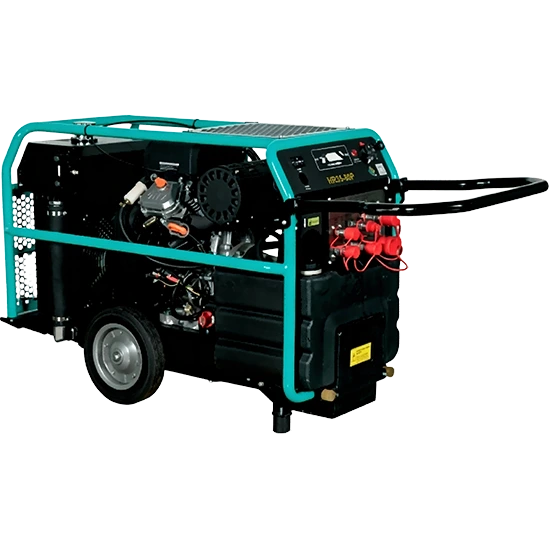
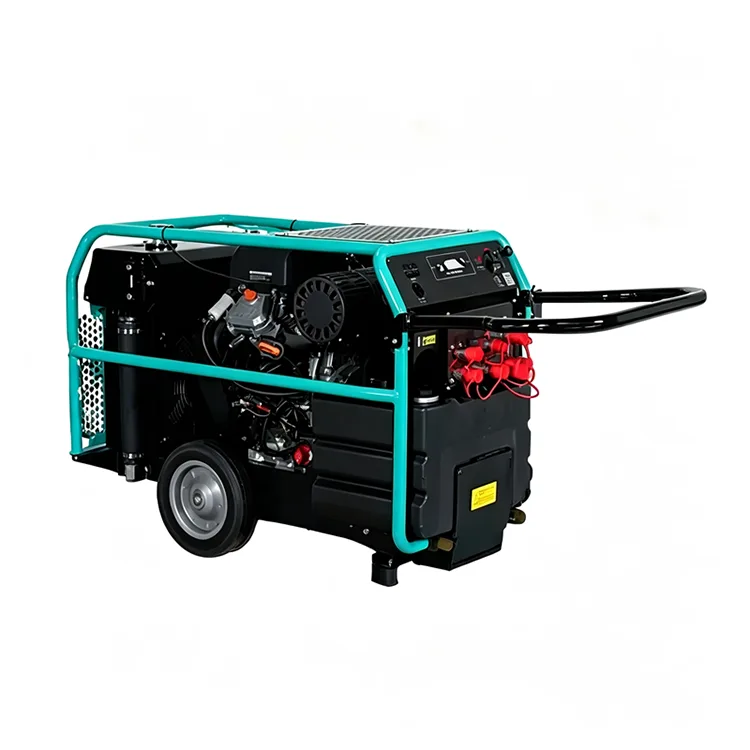
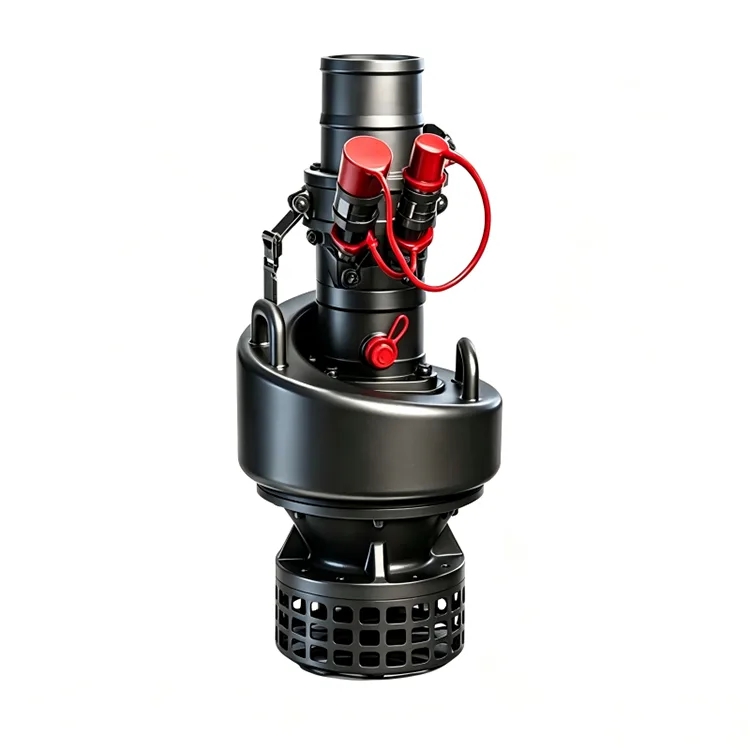
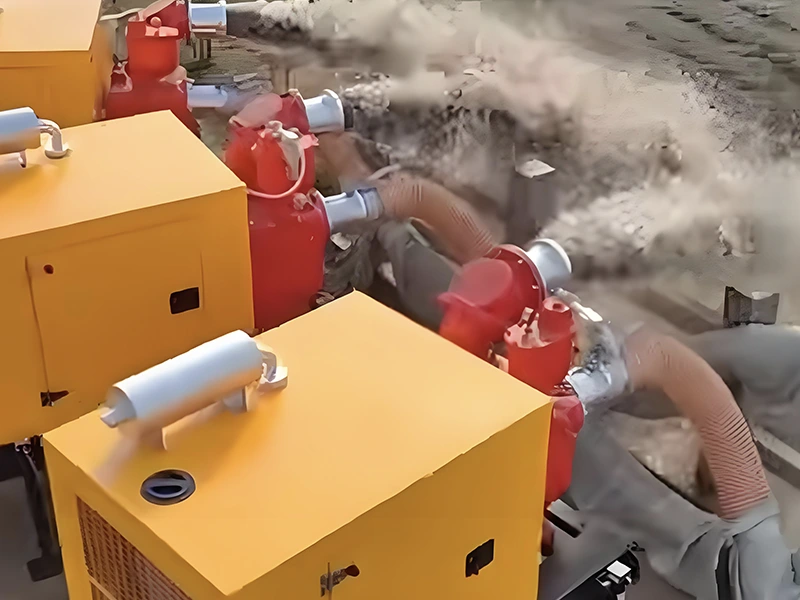
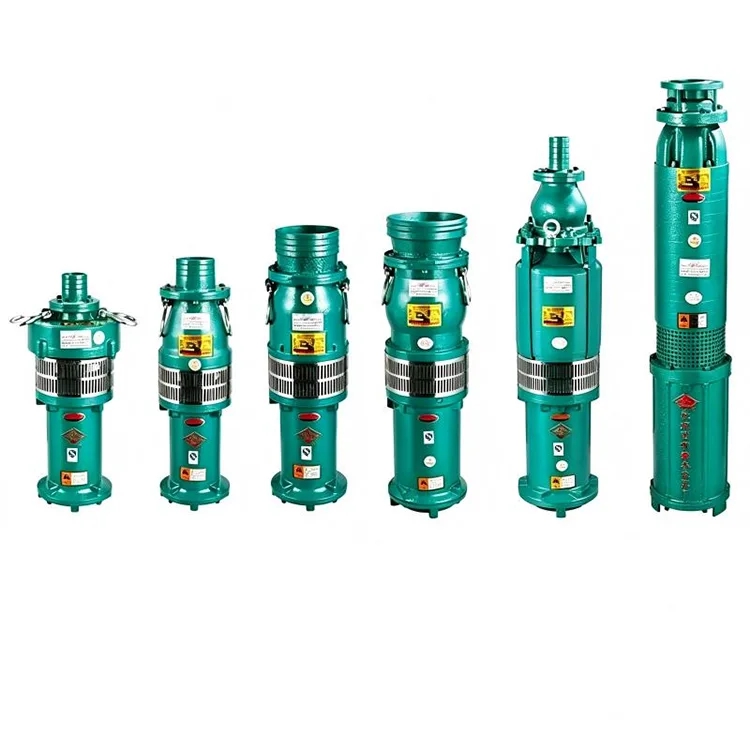
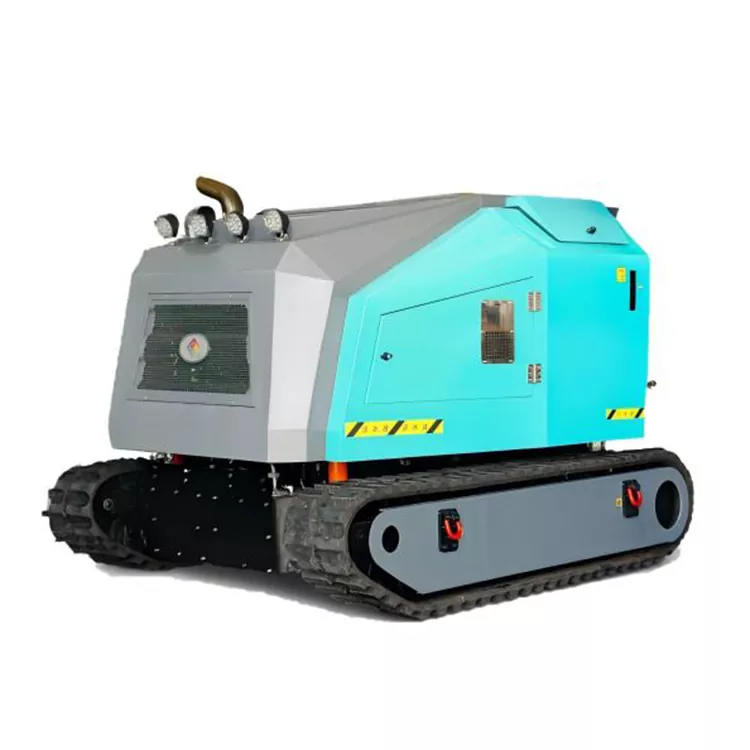
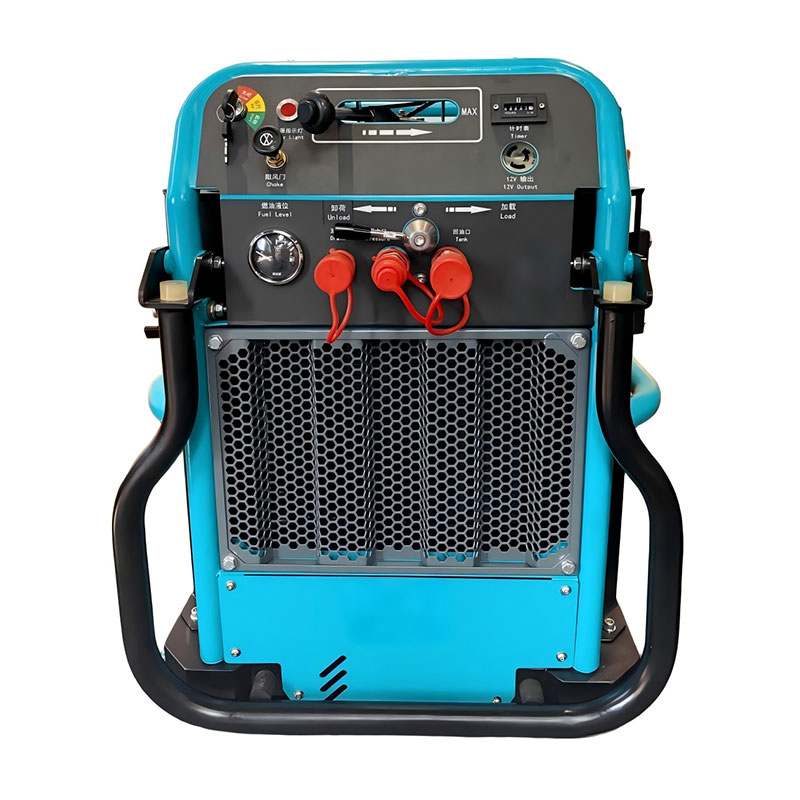
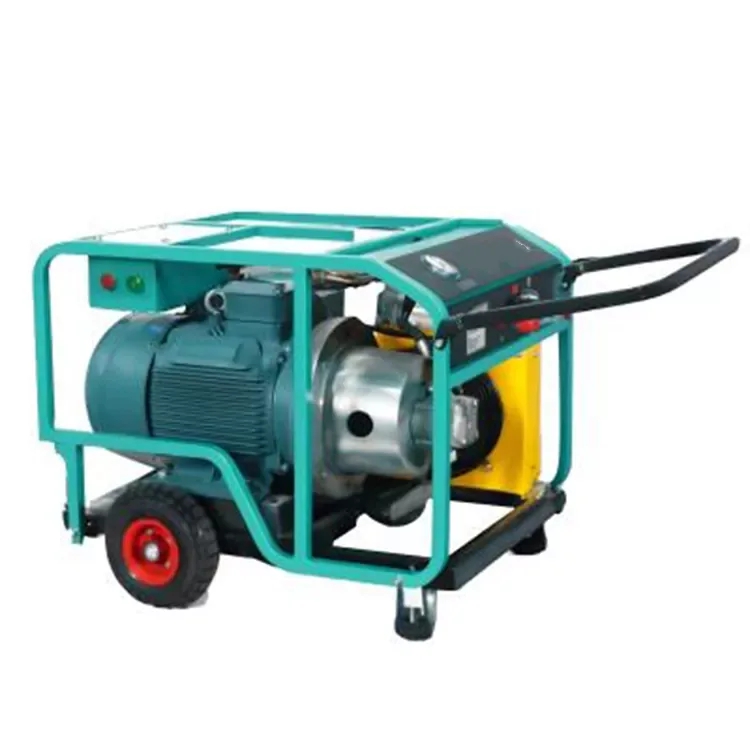
Check hydraulic oil: The oil level in the hydraulic oil tank is between the standard scale, and the hydraulic oil is clean without deterioration; Oil temperature control 15-60 ℃; Low oil temperature prohibits high load operation.
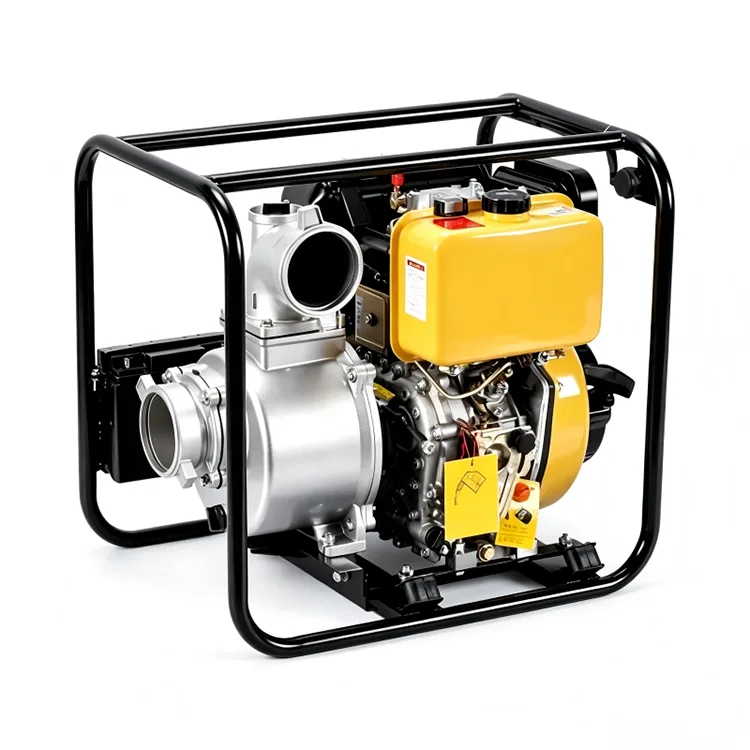
Pipeline inspection: The inlet and outlet water pipes and high-pressure oil pipe joints are securely fastened, and the pipelines are free of cracks; The suction pipeline must not leak air, as intake may cause insufficient head and pump body vibration.
Pump exhaust: Fill the inlet pipe and pump body with medium before starting, and exhaust the internal air; Idling is prone to wear and tear on impellers and mechanical seals.
Check the supporting parameters: The hydraulic motor pressure and set flow rate should strictly follow the nameplate parameters. Do not arbitrarily increase the system pressure, otherwise the internal components will be overloaded and damaged.
2、 Key requirements during operation
Medium conditions: The transported water should not contain a large amount of sand, gravel, or metal particles; Impurities can wear down the impeller and shaft sleeve; The medium temperature meets the product's specified range.
It is strictly prohibited to work beyond the rated head for a long time: exceeding the rated head will cause the load to increase, the hydraulic motor to overheat, and the oil seal to leak oil; Long term no-load operation is also not allowed.
Observe the operating status: there is no severe shaking or abnormal noise during the operation of the pump; If the vibration is too large, stop the machine and check the fixed base and coaxiality; Maintain stable export pressure and promptly investigate pipeline blockages due to frequent pressure fluctuations.
Heat dissipation management: The hydraulic system radiator has good ventilation; Long term operation to prevent excessive hydraulic oil temperature; If the oil temperature exceeds 65 ℃, stop the machine for cooling.
Control outlet valve: Do not suddenly close the outlet valve; Sudden valve closure can cause water hammer impact, damaging the pump core and hydraulic components.
3、 Key points for shutdown and daily maintenance
Shutdown sequence: Close the water outlet valve first, then reduce the hydraulic system pressure, and finally shut down the power source.
Cleaning treatment: When transporting sewage slurry, rinse the inside of the pump chamber with clean water after use to prevent sedimentation.
Regular replacement of accessories: replace hydraulic oil, oil seals, and bearings on time; Check the aging condition of the sealing components to prevent water leakage into the interior of the hydraulic motor.
Long term disuse: Drain the accumulated water inside the pump; Store well for rust prevention.
4、 Key points of safety taboos
Do not disassemble the pipeline while the pump is running; It is strictly prohibited to point the high-pressure water outlet at personnel to prevent injury from high-pressure liquid.
Immediately stop the machine in case of voltage or hydraulic system failure, and prohibit continuous operation with the problem.
We use cookies to offer you a better browsing experience, analyze site traffic and personalize content. By using this site, you agree to our use of cookies.Privacy Policy