Changshu Jianghe Flood Prevention Products CO., Ltd.
News

What should be noted when using a Compact High-Flow Diesel-Driven Water Pump

2026-09-09 0 Leave me a message

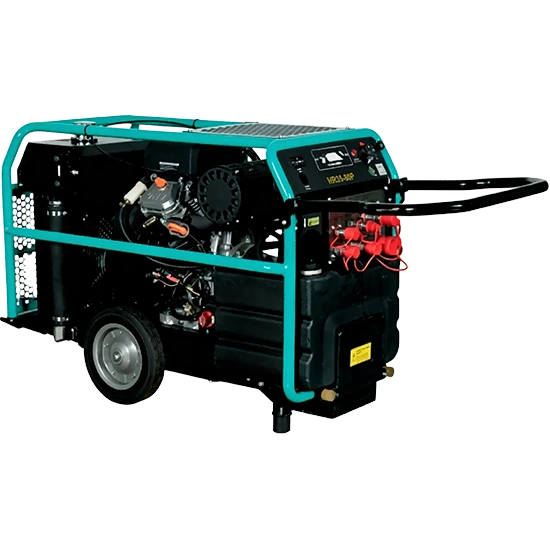
       Compact High-Flow Diesel-Driven Water Pump deliver large water output with a small footprint. They are commonly deployed for construction site dewatering, flood emergency drainage, farm irrigation and temporary water supply. Powerful as they are, improper operation may lead to dry-run damage, cavitation, engine overheating or safety hazards.1. Pre-operation Inspection

1.Diesel Engine Check

       Verify engine oil level stays between the min and max marks. Low oil causes cylinder damage while excess oil reduces power. Fill the tank with clean diesel fuel and inspect fuel hoses for cracks or leaks. Clean the air filter; dusty field conditions require daily inspection. For electric-start models, check battery terminals for tight connections and oxidation.

Pump & Pipeline Check

       Non-self-priming pumps must be fully primed with all air vented. Self-priming pumps also need water in the priming chamber. Never run the pump dry. Even short dry operation will destroy mechanical seals and impellers.

       All suction pipe joints must be airtight. Air leakage on the suction side leads to poor suction and reduced flow. Install a strainer at the inlet to block stones, weeds and fibres from jamming the impeller. Keep suction piping short with minimal bends. Submerge the foot valve properly, avoid sucking bottom silt. Mount the pump on flat, firm ground to prevent shifting from vibration.

2. During Operation

Start-up & Load Control

       After ignition, let the engine idle for several minutes to warm up. Open the discharge valve gradually instead of full opening instantly to avoid sudden overload. Do not continuously run above rated head or rated flow, which accelerates wear of engine and pump components.

Condition Monitoring

       Listen for unusual noise and vibration, check stable water output. Observe exhaust smoke: black smoke = overload / insufficient air intake; blue smoke = engine oil burning; white smoke = water-contaminated fuel or low temperature.

       If overheating occurs, reduce load or shut down immediately. Avoid frequent start-stop cycles; wait at least 3–5 minutes between restarts to protect the engine and pump shaft.

Liquid Medium Limits

       This pump is not designed for heavy slurry or water with massive hard solids. Abrasive particles quickly wear impellers and casings. If pumping dirty water, use heavy-duty strainers and shorten maintenance intervals.

On-site Safety

       Never operate in basements or enclosed spaces. Diesel exhaust contains toxic carbon monoxide. Mufflers and exhaust pipes stay extremely hot during and after operation. Always shut off the engine before refuelling. Keep fuel away from open flames. Keep hands away from rotating belts and couplings. Wear ear protection against loud noise. Do not aim the discharge nozzle at people.

3. Shutdown & Post-job MaintenanceClose the discharge valve first to reduce load, let the engine idle briefly then shut down.

       Flush the pump chamber with clean water and clear debris from strainers. In cold weather, drain all water inside pump and pipes to prevent freeze cracking.

       Tighten loose bolts and check pipes for damage. Change engine oil, fuel filters and air filters following service hour schedules.4. Long-term StorageDrain all oil and water before long storage, clean the whole unit and store in dry, ventilated space. Run the pump for a short test periodically to preserve seals. Keep away from direct sunlight and moisture.

Related News
Leave me a message
X
We use cookies to offer you a better browsing experience, analyze site traffic and personalize content. By using this site, you agree to our use of cookies. Privacy Policy
RejectAccept