Changshu Jianghe Flood Prevention Products CO., Ltd.
News

Gasoline vs Electric Hydraulic Power Units: Which Solution Fits Outdoor Emergency Applications Better?

2026-07-28 0 Leave me a message

The Growing Demand for Independent Hydraulic Power Solutions in Outdoor Operations

In flood control, emergency rescue, outdoor construction, and infrastructure maintenance, hydraulic power systems play an essential role in driving pumps, hydraulic tools, and other rescue equipment. With the increasing frequency of extreme weather events and the growing demand for faster emergency response, selecting a reliable hydraulic power source has become a key consideration for government departments, engineering companies, and emergency equipment suppliers.

Traditional hydraulic systems are often designed for fixed working environments where stable electricity is available. However, during flood disasters, remote operations, and emergency response situations, power interruptions and limited infrastructure can significantly affect equipment deployment. Under these conditions, Gasoline Hydraulic Power Units provide a practical solution by offering independent power supply, fast deployment, and flexible operation.

As a professional supplier specializing in flood prevention and emergency response solutions, Changshu Jianghe Flood Prevention Products Co., Ltd. integrates research, manufacturing, product supply, and technical services to support flood control, emergency rescue, power grid projects, rail transit, petrochemical engineering, and other industries. The company provides comprehensive solutions covering hydraulic equipment, drainage systems, emergency power supply, and related supporting materials.

Working Principle Comparison of Hydraulic Power Units

A hydraulic power unit converts mechanical energy into hydraulic energy through an engine or motor-driven hydraulic pump. The pump pressurizes hydraulic oil and delivers hydraulic flow to actuators such as hydraulic cylinders or hydraulic motors, enabling different types of equipment to perform lifting, pumping, cutting, or other operations.

The main difference between various hydraulic power units is their energy source and operating environment.

Type Power Source Working Characteristics Typical Applications
Electric Hydraulic Power Unit Electric motor Stable operation, low noise, but requires external power supply Factory equipment, indoor production systems
Gasoline Hydraulic Power Unit Gasoline engine Independent operation, easy mobility, quick startup Flood control, emergency rescue, outdoor equipment
Diesel Hydraulic Power Unit Diesel engine Strong output capability, suitable for continuous heavy-duty operation Large construction projects, mining, industrial applications

Why Gasoline Hydraulic Power Units Are Ideal for Outdoor Emergency Applications

Independent Power Supply for Faster Emergency Response

One of the biggest advantages of a gasoline hydraulic power unit is that it does not rely on external electricity. The gasoline engine directly drives the hydraulic pump, allowing the system to operate independently in areas where electrical infrastructure is unavailable or damaged.

For flood control and emergency rescue operations, power availability is often uncertain. Flooded areas, remote locations, and disaster zones may experience power failures, making traditional electric hydraulic systems difficult to operate. A gasoline-powered hydraulic solution ensures that rescue equipment can continue working when immediate power support is required.

Quick Deployment for Complex Working Environments

Emergency situations require equipment that can be transported, installed, and operated within a short period of time. Compared with fixed hydraulic systems, portable gasoline hydraulic power units provide greater flexibility for mobile operations.

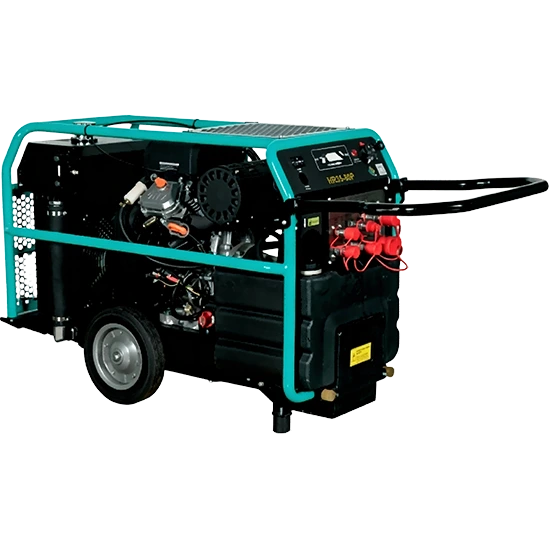
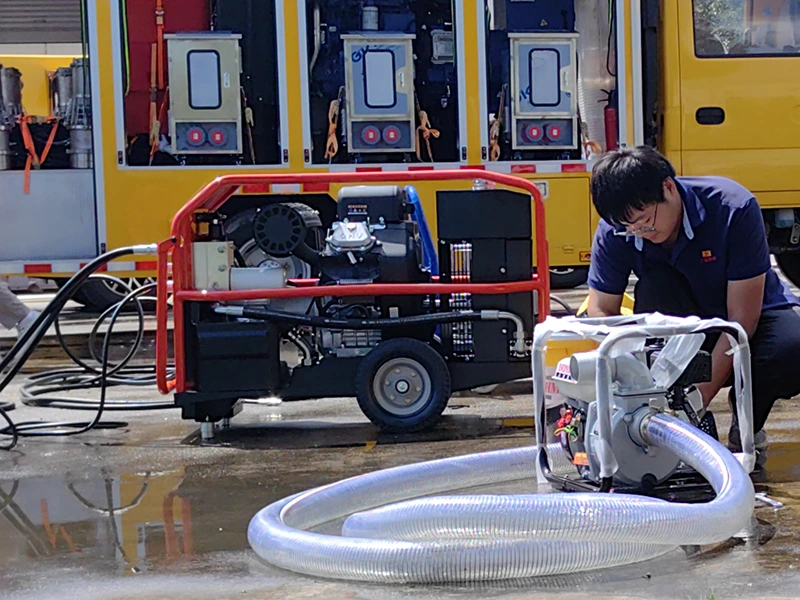
A 35HP Gasoline Hydraulic Power Unit is designed to provide sufficient hydraulic output while maintaining mobility. With compact structural design and adaptable hydraulic connections, it can be integrated with different types of emergency and industrial equipment.

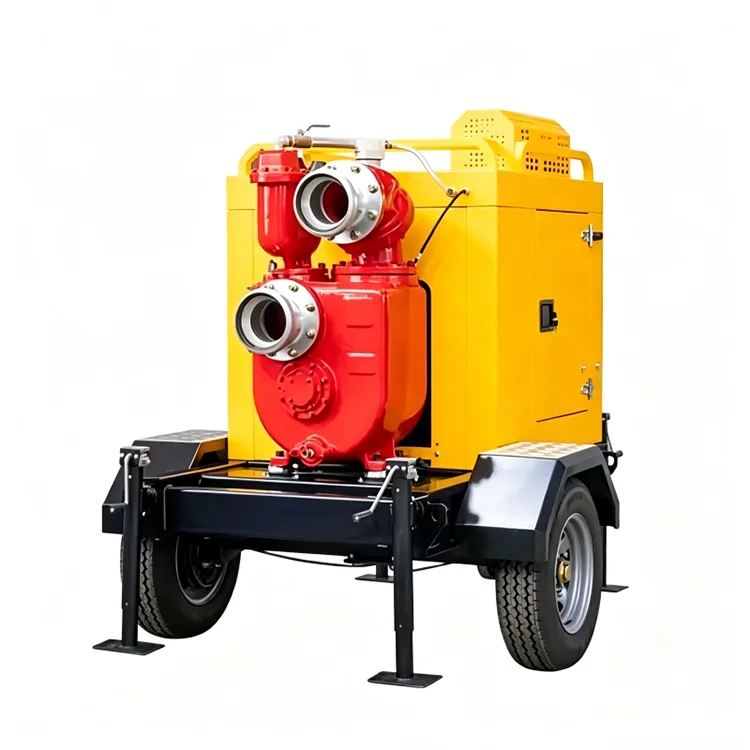
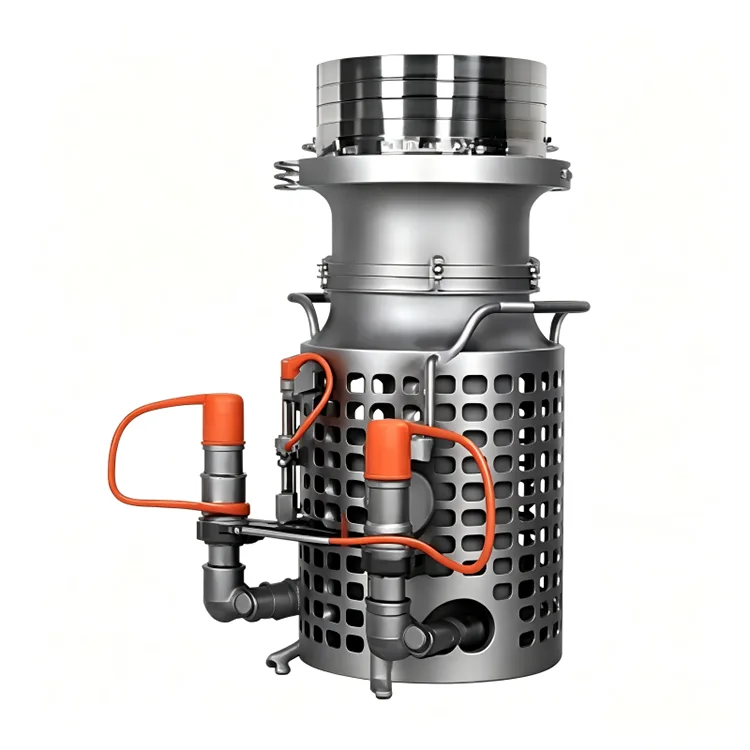
In flood control and rescue applications, gasoline hydraulic power units are commonly used with drainage pumps, hydraulic rescue tools, mobile pumping systems, and other field equipment that requires reliable hydraulic energy.

Flexible Operation in Remote and Outdoor Locations

Outdoor operations often involve changing conditions, limited infrastructure, and difficult access. Unlike electric hydraulic units that depend on a fixed power source, gasoline hydraulic power units can be moved between different locations according to operational requirements.

This makes them suitable for applications such as flood fighting, river management, emergency drainage, remote construction sites, and infrastructure repair projects where mobility and rapid response are critical.

Gasoline vs Electric Hydraulic Power Units: How to Choose the Right Solution?

Choosing the correct hydraulic power unit depends mainly on the working environment, power availability, and operation requirements.

Application Requirements Recommended Solution Main Advantages
Indoor fixed equipment Electric Hydraulic Power Unit Stable power supply and convenient maintenance
Flood control and emergency rescue Gasoline Hydraulic Power Unit Independent operation and rapid deployment
Remote outdoor projects Gasoline or Diesel Hydraulic Power Unit Flexible installation and strong adaptability
Long-duration heavy-duty operation Diesel Hydraulic Power Unit Higher torque output and continuous performance

For emergency management and flood prevention industries, equipment selection should not only consider power output but also reliability, response speed, mobility, and long-term operational support.

Application Value of 35HP Gasoline Hydraulic Power Units in Flood Control

Modern flood prevention systems are becoming increasingly dependent on mechanical equipment to improve emergency response efficiency. Hydraulic-powered equipment provides stronger operational capability compared with traditional manual methods, especially in large-scale drainage and rescue operations.

A 35HP Gasoline Hydraulic Power Unit can serve as a reliable power source for various emergency applications, including hydraulic drainage systems, portable pumps, rescue equipment, and mobile engineering machinery. Its independent operating capability helps reduce preparation time and improves the efficiency of emergency operations.

Professional Flood Control and Emergency Equipment Supplier

Changshu Jianghe Flood Prevention Products Co., Ltd. focuses on providing integrated solutions for flood control, drought relief, and emergency rescue industries. The company offers a complete product portfolio including flood control sealing materials, water-absorbing expansion bags, modular flood barriers, drainage and dewatering equipment, emergency lighting systems, generator sets, hydraulic equipment, and related supporting products.

With ISO Tri-management System Certifications, Five-star After-sales Service Certification, and extensive industry experience, the company provides professional product selection guidance, technical consultation, installation support, maintenance services, and emergency training programs.

To improve emergency supply efficiency, Changshu Jianghe Flood Prevention Products Co., Ltd. has also developed customized material storage and reserve services, ensuring customers can quickly obtain necessary equipment and supplies during flood seasons or unexpected emergency situations.

Conclusion: Selecting the Right Hydraulic Power Solution for Emergency Operations

Electric hydraulic power units remain an efficient choice for indoor and fixed applications where stable electricity is available. However, for flood control, emergency rescue, and outdoor operations, 35HP Gasoline Hydraulic Power Units offer significant advantages through independent power supply, fast deployment, and flexible mobility.

As global emergency management systems continue to evolve, portable hydraulic power solutions will play an increasingly important role in flood prevention, disaster response, infrastructure maintenance, and other critical applications.

Related News
Leave me a message
X
We use cookies to offer you a better browsing experience, analyze site traffic and personalize content. By using this site, you agree to our use of cookies.Privacy Policy
RejectAccept