
Changshu Jianghe Flood Prevention Products CO., Ltd.
News

How Does a Drainage Robot Improve Flood Control and Water Management Efficiency?

2026-07-29 0 Leave me a message

Article Summary

Flooding, drainage blockages, and emergency water accumulation continue to challenge cities, construction sites, underground facilities, and municipal infrastructure worldwide. Traditional drainage methods often require significant manpower, long operation times, and exposure to dangerous environments. A Drainage Robot provides an intelligent and efficient solution by combining remote operation, powerful pumping capability, and advanced mobility to handle complex drainage conditions.

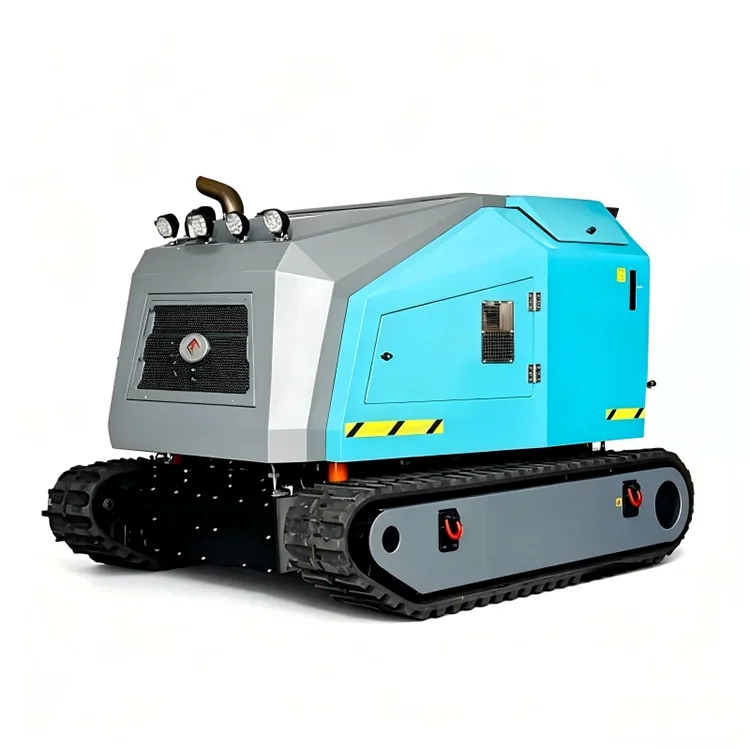
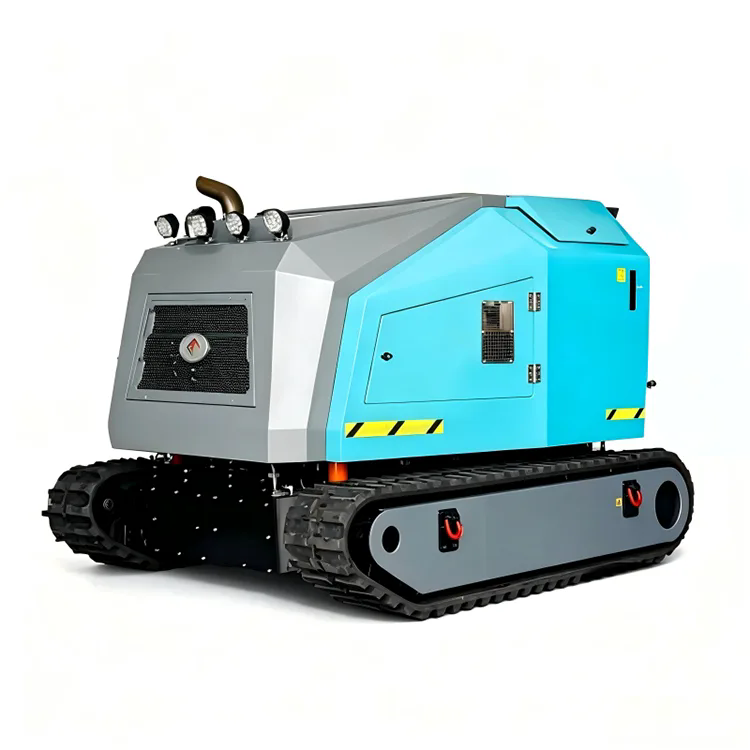
Tracked Drainage Robot

This article explains how a Drainage Robot works, why it is becoming an important tool for modern flood prevention, what problems it solves, and how organizations can select the right equipment for emergency drainage applications. With professional manufacturing experience, Changshu Jianghe Flood Prevention Products Co., Ltd. provides reliable drainage solutions designed to improve safety, efficiency, and operational performance in challenging environments.


Table of Contents


1. Introduction to Drainage Robot Technology

Water-related emergencies can happen unexpectedly due to heavy rainfall, urban drainage system failures, river overflow, or infrastructure damage. When large amounts of water accumulate, quick response becomes essential to reduce property damage and protect public safety.

A Drainage Robot is an advanced flood prevention device designed to perform drainage operations in environments that may be difficult or dangerous for humans. Unlike traditional pumps that require operators to work close to flooded areas, drainage robots allow remote operation while providing strong water removal capability.

Modern drainage robots are designed with improved mobility, stable structures, high-performance pumping systems, and intelligent control features. These characteristics make them suitable for emergency rescue, municipal drainage, industrial areas, underground spaces, and flood prevention projects.

Changshu Jianghe Flood Prevention Products Co., Ltd. focuses on developing practical flood prevention equipment that helps customers respond faster and more safely when facing water emergencies.


2. Common Problems in Traditional Drainage Operations

Before understanding the value of drainage robots, it is important to recognize the limitations of conventional drainage methods.

  • High Safety Risks: Workers may need to enter flooded areas where hidden hazards such as unstable ground, electrical risks, and contaminated water exist.
  • Slow Emergency Response: Traditional drainage equipment often requires manual transportation, installation, and operation, which can delay flood control actions.
  • Limited Accessibility: Narrow passages, underground spaces, and complicated environments can make it difficult for standard equipment to operate effectively.
  • High Labor Requirements: Large-scale drainage projects usually require multiple workers for equipment handling and monitoring.
  • Unstable Working Conditions: Rainstorms, strong currents, and muddy environments can reduce equipment efficiency and increase operational difficulties.

A Drainage Robot addresses these challenges by allowing operators to control equipment remotely while maintaining efficient water removal performance.


3. How a Drainage Robot Works

A Drainage Robot integrates several technologies to achieve efficient flood control operations. Although different models may have different configurations, most drainage robots operate through several key systems.

Remote Control System

The remote control function allows operators to manage the robot from a safe distance. This reduces direct human exposure to dangerous flood environments and improves emergency response safety.

Powerful Pumping System

The core function of a drainage robot is its water pumping capability. High-efficiency pumps are designed to quickly remove accumulated water from affected areas, helping restore normal conditions.

Mobile Chassis Design

Unlike fixed drainage equipment, drainage robots are equipped with mobile structures that allow them to move across uneven surfaces, muddy areas, and complex terrain.

Intelligent Monitoring Features

Advanced models may include monitoring functions that help operators understand operating conditions and make better decisions during emergency situations.


4. Key Advantages of Using a Drainage Robot

The increasing adoption of drainage robots comes from their ability to improve efficiency, safety, and reliability in water management operations.

  • Improved Safety: Remote operation minimizes the need for personnel to enter hazardous flooded areas.
  • Faster Flood Response: Mobile deployment allows drainage operations to begin quickly during emergencies.
  • Reduced Labor Costs: One operator can manage equipment without requiring large teams for manual drainage work.
  • Better Environmental Adaptability: Drainage robots can operate in locations where traditional equipment may struggle.
  • Continuous Operation Capability: Reliable mechanical structures support extended working periods during urgent situations.

For organizations responsible for flood prevention and emergency response, investing in efficient drainage equipment can significantly improve operational readiness.


5. Major Applications of Drainage Robots

Drainage robots are becoming increasingly useful across different industries and public service sectors.

  • Urban Flood Control: Used for removing water from roads, tunnels, underground garages, and public facilities after heavy rainfall.
  • Emergency Rescue Operations: Helps rescue teams quickly handle flooding situations and improve response efficiency.
  • Construction Sites: Removes accumulated water from excavation areas and protects construction progress.
  • Industrial Facilities: Supports drainage operations in factories, warehouses, and production areas.
  • Municipal Infrastructure: Helps maintain drainage systems and improve city flood prevention capabilities.

6. How to Choose the Right Drainage Robot

Selecting suitable drainage equipment requires careful consideration of actual operating conditions. Important factors include:

  • Pumping Capacity: Evaluate whether the drainage speed meets project requirements.
  • Operating Environment: Consider terrain conditions, water depth, and accessibility.
  • Control Distance: Choose a control system suitable for the required working range.
  • Durability: The equipment should withstand harsh weather conditions and frequent emergency use.
  • Maintenance Requirements: Select equipment with convenient maintenance procedures and reliable components.

A professional manufacturer can help customers select a drainage robot configuration that matches specific application requirements.


7. Maintenance Tips for Long-Term Performance

Proper maintenance improves equipment reliability and extends service life. Recommended practices include:

  • Inspect pumping components regularly to ensure stable water removal performance.
  • Clean debris from equipment after each operation.
  • Check electrical and control systems before emergency use.
  • Store equipment in a dry and protected environment when not in operation.
  • Follow manufacturer maintenance guidelines for replacement parts and inspections.

Regular maintenance ensures that drainage robots remain ready for unexpected flood situations.

8. Frequently Asked Questions About Drainage Robots

Q1: What is a Drainage Robot used for?

A Drainage Robot is mainly used for flood control, emergency water removal, and drainage operations in environments where traditional equipment or manual operation may be difficult or unsafe.

Q2: Can a Drainage Robot work in harsh environments?

Yes. Many drainage robots are designed for challenging conditions such as muddy ground, flooded areas, and emergency rescue environments.

Q3: How does a Drainage Robot improve safety?

It reduces the need for workers to enter dangerous areas by allowing operators to control the equipment remotely.

Q4: Is a Drainage Robot suitable for municipal flood prevention?

Yes. Drainage robots can support municipal departments by improving emergency response speed and drainage efficiency during heavy rainfall events.

Q5: Why choose Changshu Jianghe Flood Prevention Products Co., Ltd.?

Changshu Jianghe Flood Prevention Products Co., Ltd. provides professional flood prevention equipment solutions with a focus on reliability, practical design, and efficient emergency response applications.


9. Conclusion

Flood prevention requires equipment that can respond quickly, operate safely, and perform reliably under difficult conditions. A Drainage Robot provides an effective solution by combining mobility, powerful drainage capability, and remote operation technology.

Whether used for urban flood management, emergency rescue, industrial drainage, or infrastructure protection, drainage robots help organizations improve efficiency while reducing operational risks.

Changshu Jianghe Flood Prevention Products Co., Ltd. continues to provide advanced flood prevention solutions designed for modern water management challenges. If you are looking for reliable drainage equipment to enhance your flood control capabilities, please contact us for professional support and customized solutions.

Related News
Leave me a message
X
We use cookies to offer you a better browsing experience, analyze site traffic and personalize content. By using this site, you agree to our use of cookies.Privacy Policy
RejectAccept