Changshu Jianghe Flood Prevention Products CO., Ltd.
News

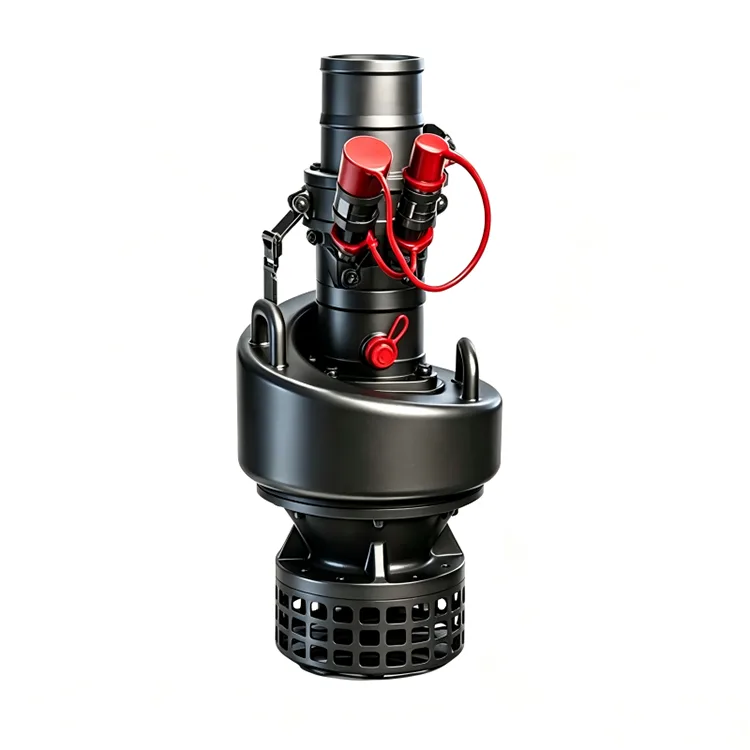
How Can a Hydraulic High-lift Pump Deliver Faster and More Reliable Emergency Drainage

2026-09-14 0 Leave me a message

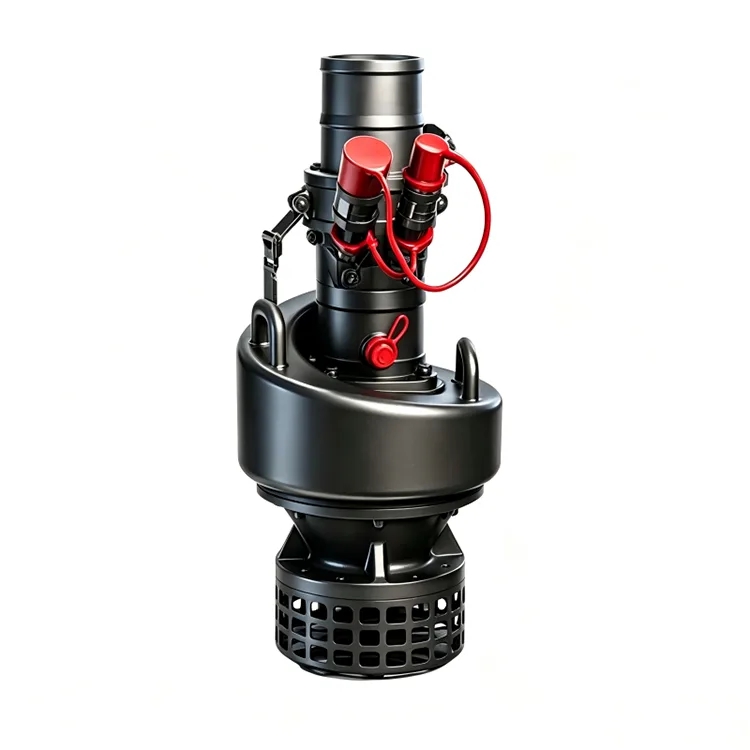
Article Summary: A Hydraulic High-lift Pump is designed for demanding drainage tasks where water must be moved across significant height differences or through long discharge pipelines. Jianghe develops hydraulic-driven drainage equipment for emergency flood control, urban waterlogging, underground spaces, industrial facilities, tunnels, subway stations, and other challenging environments. Unlike electrically dependent systems, hydraulic pumping equipment can be deployed with compatible hydraulic power sources, making it a practical choice when grid power is unavailable or difficult to access.

Hydraulic High-lift Pump

Table of Contents


What Is a Hydraulic High-lift Pump?

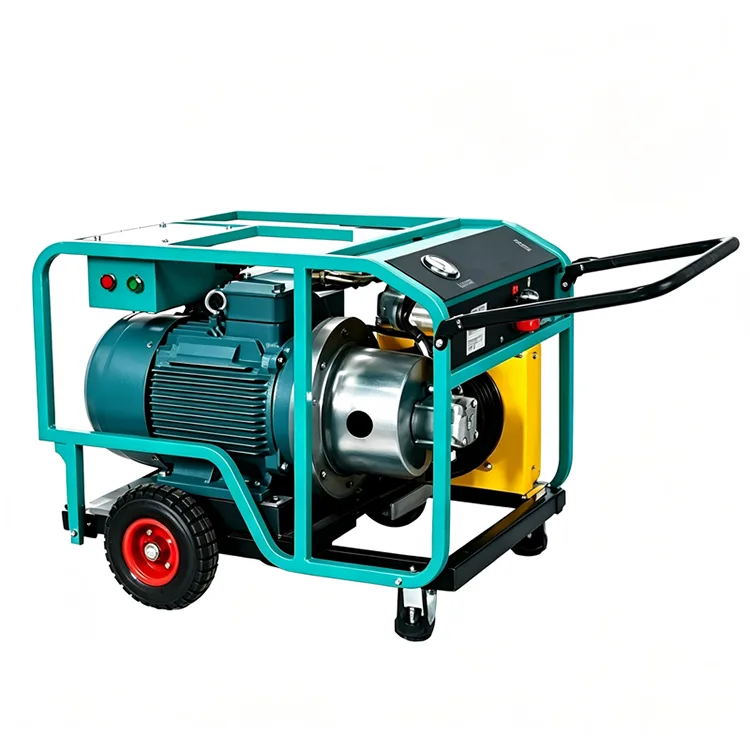
A Hydraulic High-lift Pump is a specialized drainage pump designed to transport water efficiently when the discharge point is considerably higher than the collection area. In emergency water management, the available water source may be located in a basement, tunnel, underground facility, low-lying road, or flooded industrial area, while the discharge point may be significantly higher.

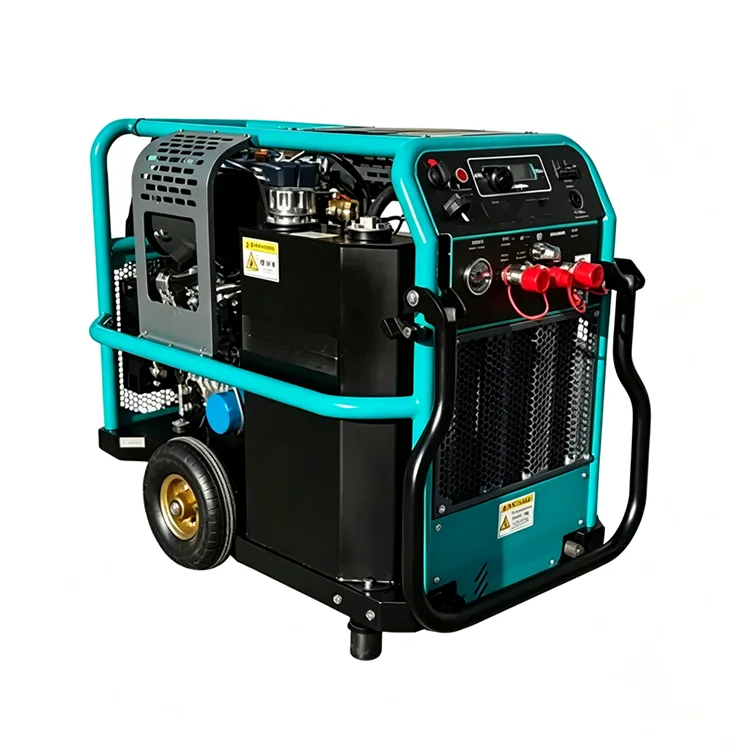
Instead of relying solely on conventional electric power, hydraulic-driven equipment uses hydraulic energy to drive the pumping mechanism. This design can be particularly useful for emergency teams working in locations where electrical infrastructure is damaged, submerged, inaccessible, or unavailable.

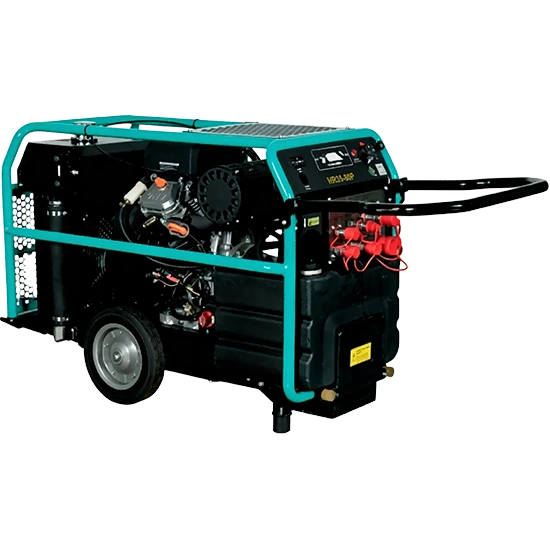
The basic operating concept is straightforward: a hydraulic power source drives a hydraulic motor, which transfers rotational energy to the pump assembly. The pump then draws water from the flooded area and generates the pressure required to move it toward the designated discharge location.

For emergency drainage projects, this configuration can provide three important advantages:

  • Flexible deployment in areas with limited electrical infrastructure.
  • Effective water transfer where substantial elevation differences exist.
  • Compatibility with hydraulic power units and suitable mobile machinery.

Why Does High Lift Matter in Emergency Drainage?

Drainage capacity is not determined by flow rate alone. When water needs to be discharged over a wall, embankment, slope, elevated pipeline, or long-distance route, the required pump head becomes equally important.

For example, a pump may move a large volume of water under low-resistance conditions, but its actual performance can decrease when the discharge elevation increases or the pipeline becomes longer. This is why high-lift performance should be evaluated together with flow rate, pipeline length, elevation difference, friction losses, and operating conditions.

Factor Why It Matters Typical Consideration
Lift / Head Determines how high water can be transferred Important for elevated discharge points
Flow Rate Determines how quickly flooded water can be removed Match the pump to the expected water volume
Pipeline Length Creates additional hydraulic resistance Longer discharge routes require careful sizing
Water Condition Impacts wear, blockage and maintenance requirements Consider sediment and suspended particles
Power Source Determines deployment flexibility Hydraulic power can be advantageous in off-grid locations

Therefore, a high-lift pump should be selected according to the complete drainage system rather than a single performance number.


What Are the Key Features to Consider?

Hydraulic Drive for Flexible Deployment

Hydraulic drive technology allows the pump to operate through a compatible hydraulic power source. This can simplify deployment in emergency environments where conventional electrical equipment may be inconvenient or unsafe to position.

Hydraulic systems can also be integrated with different types of supporting equipment, depending on the required hydraulic flow, pressure, connection interface, and operating conditions.

High-lift Water Transfer Capability

The defining characteristic of this equipment is its ability to move water against substantial elevation differences. This makes it suitable for drainage tasks where water cannot simply flow by gravity to the discharge location.

Rapid Emergency Deployment

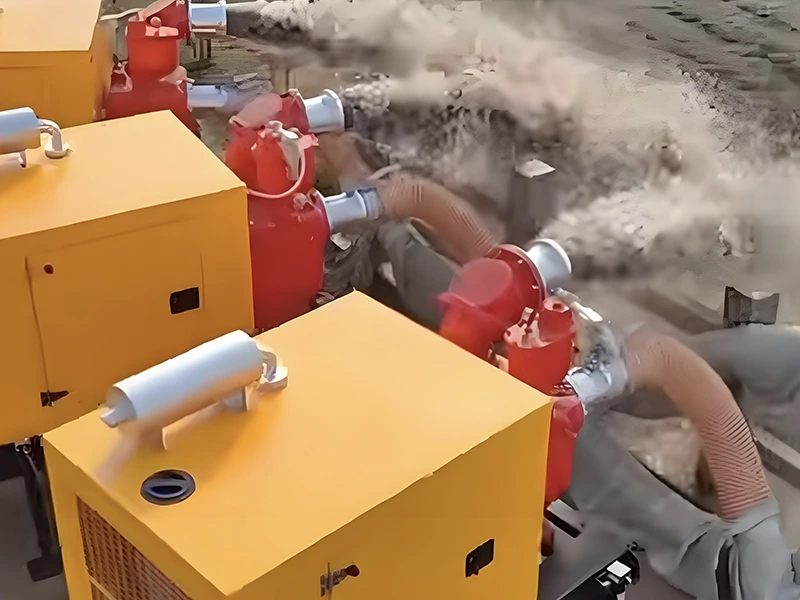
Flooding can change rapidly. Equipment that can be transported and positioned quickly helps emergency teams respond before water causes additional damage to buildings, transportation infrastructure, electrical systems, or industrial facilities.

Adaptability to Difficult Environments

Emergency drainage equipment may need to operate in muddy, wet, confined, or otherwise demanding environments. A practical pump design should therefore emphasize stable hydraulic operation, appropriate materials, reliable sealing, and easy maintenance.


Where Is Hydraulic High-lift Pump Equipment Used?

A Hydraulic High-lift Pump is particularly valuable in applications where water must be removed from low-lying areas and transferred to a higher or more distant discharge point.

Urban Flood Control

Heavy rainfall can quickly overwhelm drainage infrastructure in urban areas. High-lift pumping equipment can support emergency teams in removing accumulated water from roads, underground facilities, and low-lying areas.

Basement and Underground Drainage

Basements and underground structures can be difficult to drain because water may need to be lifted to an above-ground discharge point. Hydraulic pumping systems provide a practical solution for these elevation-sensitive applications.

Tunnels and Subway Stations

Floodwater inside tunnels and subway facilities presents serious operational and safety challenges. Mobile hydraulic drainage equipment can help transfer accumulated water out of confined underground spaces when rapid response is required.

Industrial Flood Protection

Industrial plants may contain valuable machinery, electrical systems, raw materials, and finished products. Rapid water removal can reduce potential downtime and limit secondary damage following severe rainfall or flooding.

River Overflow and Emergency Rescue

When rivers overflow, emergency pumping systems may be required to move water away from vulnerable areas. Hydraulic-driven pumps can be useful when temporary drainage infrastructure must be established quickly.


How Should You Select the Right Pump?

Choosing the correct pump requires more than simply comparing advertised flow rates. Buyers should evaluate the complete hydraulic and drainage conditions before purchasing.

  • Calculate the required head: Determine the vertical elevation difference between the water intake and discharge point.
  • Estimate the required flow: Consider the flooded area, incoming water volume, and desired drainage time.
  • Check pipeline resistance: Long pipelines, bends, valves, and diameter changes can increase pressure losses.
  • Evaluate water quality: Sediment, debris, and suspended particles can affect pump wear and operating stability.
  • Verify hydraulic compatibility: Confirm that the hydraulic power source provides suitable flow and pressure.
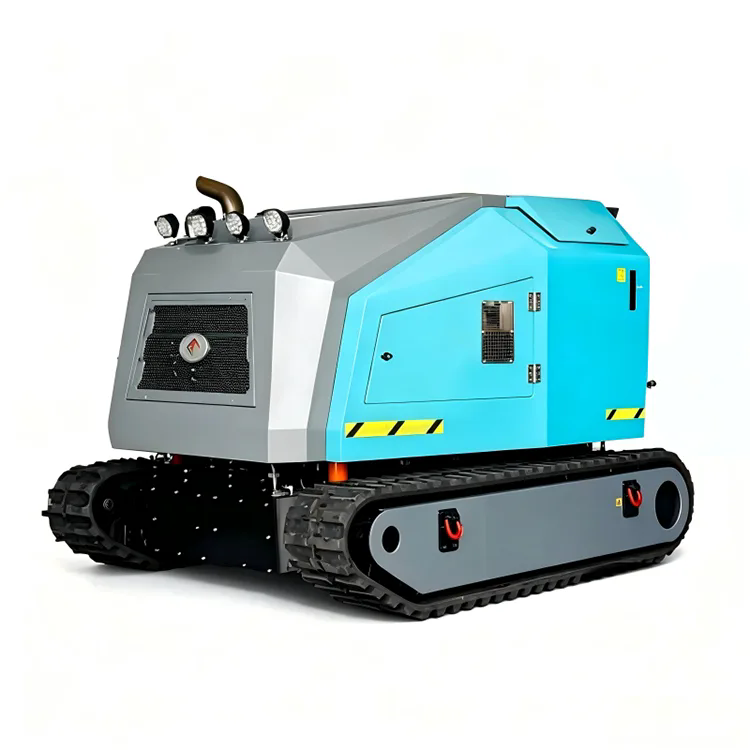
  • Consider mobility: Emergency applications often benefit from compact equipment that can be moved between locations.
  • Review maintenance requirements: Easy inspection, cleaning, sealing replacement, and routine servicing can reduce downtime.

For large-scale flood control projects, buyers should provide the pump supplier with actual site information. This allows the manufacturer to evaluate the expected lift, discharge distance, flow requirements, hydraulic power conditions, and installation environment before recommending a configuration.


How Can Operators Improve Reliability?

Correct operation is essential for maintaining pumping performance. Before starting the system, operators should inspect the hydraulic oil, pipelines, connections, pump body, and supporting equipment. The suction pipeline should remain properly sealed because air leakage can reduce pumping performance and contribute to vibration.

The pump should be filled and properly primed according to its operating requirements before starting. Hydraulic pressure and flow should remain within the manufacturer's specified range. Excessive hydraulic pressure can overload internal components and increase the risk of premature failure.

During operation, operators should monitor:

  • Abnormal vibration or unusual noise.
  • Unexpected changes in discharge pressure.
  • Hydraulic oil temperature.
  • Pipeline blockages or leakage.
  • Changes in pump output.
  • Water conditions and excessive debris.

Operators should also avoid suddenly closing the discharge valve because rapid valve closure can create water hammer and place unnecessary stress on hydraulic and pumping components. After operation, flushing the pump chamber with clean water can help reduce sediment accumulation when the equipment has handled dirty water.


Why Consider Jianghe for Hydraulic Drainage Equipment?

Jianghe focuses on flood control, emergency rescue, hydraulic equipment, and water drainage solutions. Its product range includes hydraulic pumps, hydraulic power units, hydraulic axial flow pumps, hydraulic slurry pumps, and hydraulic high-lift equipment designed for demanding emergency applications.

As a China-based manufacturer and supplier, Jianghe provides factory-direct hydraulic equipment and supports applications including municipal flood control, emergency rescue, water conservancy projects, industrial flood protection, and infrastructure response.

The company's hydraulic equipment portfolio is designed around practical emergency requirements: rapid deployment, flexible power configuration, stable operation, and adaptation to difficult outdoor working conditions.

For buyers evaluating a hydraulic drainage solution, the most important consideration is not simply the pump itself but whether the complete system can satisfy the site's hydraulic requirements. Working with an experienced manufacturer can help ensure that pump selection, hydraulic power, pipeline configuration, and operating conditions are properly matched.


FAQ About Hydraulic High-lift Pumps

What is the main purpose of a Hydraulic High-lift Pump?

Its main purpose is to transfer water from a low-level or flooded area to a higher or more distant discharge location. It is particularly suitable for emergency drainage where elevation differences make conventional low-head pumping unsuitable.

Can a hydraulic high-lift pump work without grid electricity?

Yes. Because the pump is driven by hydraulic power rather than relying directly on an electric motor, it can be used with a suitable hydraulic power source in locations where grid electricity is unavailable, damaged, or difficult to access.

Where can this type of pump be used?

Typical applications include urban flood control, basements, tunnels, subway stations, industrial facilities, river overflow zones, emergency rescue operations, and other locations requiring rapid water removal.

How do I choose the right high-lift pump?

Start with the required flow rate and total head. Then consider discharge distance, pipeline diameter, friction losses, water conditions, hydraulic power availability, installation space, and expected operating duration. Providing these details to the manufacturer can help identify a suitable configuration.

What should be checked before operating the pump?

Inspect the hydraulic oil, hydraulic pressure and flow, suction and discharge pipelines, connections, pump priming condition, and supporting equipment. Operators should also confirm that the working parameters remain within the manufacturer's specified limits.


Conclusion

When emergency drainage involves deep flooding, substantial elevation differences, underground spaces, or locations without dependable electrical infrastructure, a Hydraulic High-lift Pump can provide a flexible and practical pumping solution. The right system combines adequate head, appropriate flow, hydraulic compatibility, rapid deployment, and reliable operation. Jianghe supports flood control and emergency drainage applications with hydraulic equipment designed for demanding field conditions. If you are evaluating a high-lift drainage solution for a specific project, contact us with your required flow, lifting height, discharge distance, hydraulic power parameters, and application conditions to discuss a suitable solution.

Related News
Leave me a message
X
We use cookies to offer you a better browsing experience, analyze site traffic and personalize content. By using this site, you agree to our use of cookies. Privacy Policy
RejectAccept