Changshu Jianghe Flood Prevention Products CO., Ltd.
News

How Can a Polypropylene Geotextile Bag Deliver Reliable Erosion Control and Long-Term Soil Protection

2026-11-16 0 Leave me a message

Article Summary: A polypropylene geotextile bag is a practical geosynthetic solution for soil containment, erosion prevention, riverbank stabilization, and environmental protection. Manufactured from durable polypropylene fabric, these bags provide a flexible structure that can retain filling materials while allowing water to pass through under properly selected filtration conditions. This article explores the material properties, working principles, applications, selection criteria, and installation considerations of geotextile bags. Jianghe provides solutions for customers seeking dependable geotextile products for civil engineering, hydraulic construction, and environmental protection projects.

Polypropylene Geotextile Bag

Table of Contents

1. What Is a Polypropylene Geotextile Bag?

2. Key Material Properties and Performance Advantages

3. How Does a Polypropylene Geotextile Bag Work?

4. Main Applications Across Different Industries

5. Important Technical Specifications to Consider

6. How to Choose the Right Geotextile Bag

7. Installation and Practical Usage Guidelines

8. Manufacturing Quality and Engineering Assurance

9. Frequently Asked Questions

10. Conclusion


1. What Is a Polypropylene Geotextile Bag?

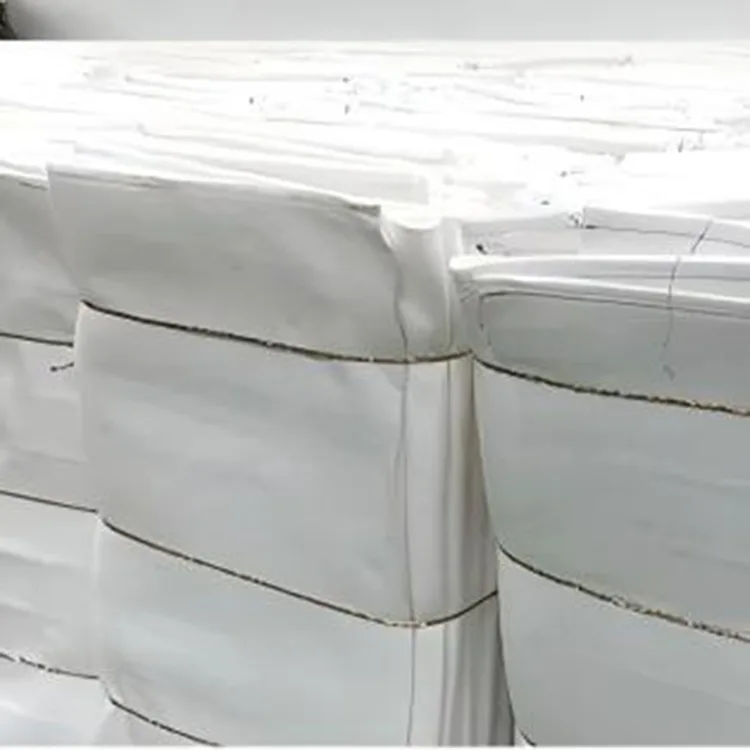
A polypropylene geotextile bag is a specially manufactured geosynthetic container made from polypropylene (PP) woven or nonwoven geotextile fabric. It is designed to hold sand, soil, gravel, or other suitable filling materials while providing filtration, containment, and protection functions in engineering applications.

Unlike conventional plastic bags, geotextile bags are engineered for demanding outdoor environments. Their fabric structure can provide mechanical strength, controlled permeability, and resistance to environmental degradation. Depending on the project requirements, they can be manufactured in different sizes, fabric weights, and structural configurations.

When filled and properly positioned, these bags form flexible protective units that can be arranged into larger structures. They are particularly useful in locations where conventional rigid construction materials are difficult to transport or install.

Typical product characteristics include:

  • Polypropylene construction: Provides a lightweight material with useful mechanical and chemical resistance properties.
  • Flexible structure: Adapts to different installation environments and ground conditions.
  • Water permeability: Allows water movement through appropriately engineered fabric while retaining suitable filling materials.
  • Customizable dimensions: Supports different construction layouts and project requirements.
  • Multiple fabric options: Woven and nonwoven structures can be selected according to the required performance.

For engineering contractors and wholesale buyers, selecting a suitable polypropylene geotextile bag is an important step toward achieving reliable soil containment and erosion protection.


2. Key Material Properties and Performance Advantages

The performance of a geotextile bag depends on its raw material, fabric structure, manufacturing quality, and suitability for the installation environment. Polypropylene is widely used in geosynthetic applications because it combines relatively low weight with useful mechanical and chemical properties.

2.1 Good Mechanical Strength

Geotextile bags must withstand filling operations, transportation, stacking, and environmental loading. Polypropylene fibers can be processed into woven or nonwoven fabrics with different tensile and puncture resistance characteristics.

For applications involving heavy filling materials or hydraulic forces, fabric strength and seam integrity should receive particular attention. The complete bag assembly must be evaluated rather than considering fabric strength alone.

2.2 Water Permeability and Filtration

One of the most important characteristics of a geotextile bag is its ability to balance water permeability with soil retention. Properly selected fabric openings allow water to pass through while limiting the movement of particles that the system is designed to retain.

This characteristic makes geotextile bags useful in drainage, riverbank protection, and certain dewatering applications. However, permeability and filtration performance must be matched to the particle-size distribution of the filling material and surrounding soil.

2.3 Resistance to Chemical and Biological Degradation

Polypropylene generally offers good resistance to many commonly encountered acids, alkalis, and chemical environments. It also resists rot and biological degradation under many normal service conditions.

Nevertheless, actual durability depends on the chemical concentration, exposure temperature, mechanical loading, and installation environment. Project-specific compatibility testing may be necessary for industrial applications.

2.4 Lightweight and Flexible Construction

Compared with many rigid protection systems, empty geotextile bags are relatively easy to transport, store, and handle. They can be filled at the construction site, reducing the logistical challenges associated with transporting prefilled units.

Their flexible structure also helps accommodate certain ground movements and irregular installation surfaces when the overall engineering design allows for such deformation.


3. How Does a Polypropylene Geotextile Bag Work?

The working principle of a polypropylene geotextile bag combines containment, filtration, and structural protection. After the bag is filled with an appropriate material, the fabric encloses the filling and forms a stable unit that can be installed individually or incorporated into a larger engineering structure.

The basic working process involves three functions:

  1. Containment: The fabric and seams hold the selected filling material inside the bag.
  2. Filtration: Water can pass through the fabric when its permeability and opening characteristics are properly selected, helping manage water movement.
  3. Protection and stabilization: Filled bags provide a protective layer or structural mass that helps reduce soil displacement and surface erosion.

For example, when used along a riverbank, properly designed geotextile bags can create a flexible protective layer against water movement. Their arrangement, filling density, foundation preparation, and anchoring system all influence the overall performance.

In some projects, vegetation can also be established around suitable geotextile bag systems. This may improve the integration of the protective structure with the surrounding landscape.


4. Main Applications Across Different Industries

The versatility of polypropylene geotextile bags makes them suitable for various civil engineering, hydraulic engineering, and environmental protection projects.

4.1 Riverbank and Shoreline Protection

Riverbanks and shorelines are continuously exposed to water movement, fluctuating water levels, and soil erosion. Geotextile bags filled with sand or suitable soil can be arranged to create protective layers that help reduce erosion and retain supporting materials.

Common applications include:

  • Riverbank reinforcement and erosion protection.
  • Shoreline stabilization and coastal protection.
  • Protection around drainage outlets and water channels.
  • Scour protection around selected hydraulic structures.

4.2 Slope Stabilization and Landscaping

On embankments and landscaping slopes, geotextile bags can help retain soil and provide a flexible protective surface. Depending on the design, they can also support vegetation establishment and contribute to environmentally integrated slope protection.

4.3 Flood Control and Emergency Protection

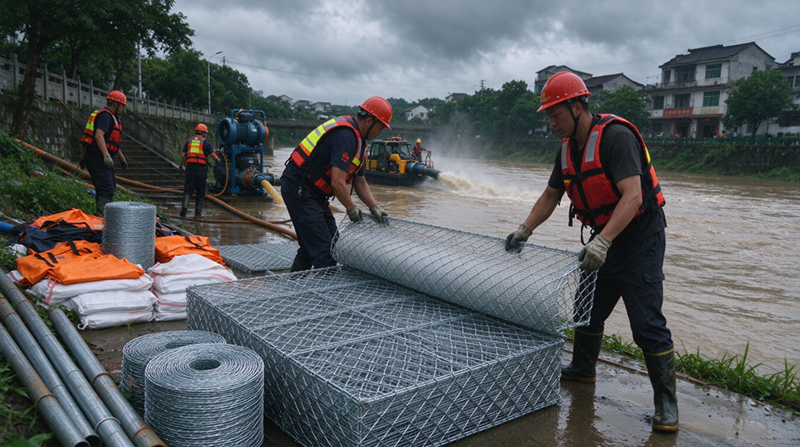
Filled geotextile bags can be deployed as components of temporary flood barriers, protective embankments, and emergency erosion-control structures.

Compared with conventional sandbags, engineered geotextile bags can offer more controlled material properties and configurations. However, flood protection performance depends on proper installation, foundation conditions, hydraulic loading, and structural design.

4.4 Dredging and Sediment Management

Specially designed geotextile containment products can be used in certain sediment management and dewatering projects. Their filtration characteristics allow water to drain while retaining an appropriate proportion of solid particles.

For fine sludge and slurry, fabric opening size, permeability, and the characteristics of the material being processed must be carefully evaluated. Not every standard geotextile bag is suitable for dewatering.

4.5 Infrastructure and Civil Engineering

Polypropylene geotextile bags can also support selected applications in:

  • Road and railway embankment protection.
  • Temporary construction-site soil containment.
  • Land reclamation and ground protection.
  • Drainage channel reinforcement.
  • Environmental restoration and landscaping projects.

5. Important Technical Specifications to Consider

Choosing the right geotextile bag requires more than checking the material name. Engineers and purchasing managers should evaluate its mechanical properties, hydraulic characteristics, dimensions, and environmental durability.

The following table summarizes the major parameters that should be reviewed when sourcing polypropylene geotextile bags. Actual values should be confirmed through the manufacturer's technical datasheet and project requirements.

Technical Parameter What It Measures Why It Matters
Raw Material Polypropylene polymer composition Influences chemical resistance and material durability.
Fabric Structure Woven or nonwoven construction Determines mechanical and filtration characteristics.
Mass per Unit Area Fabric weight in g/m² Helps evaluate material construction and compare product grades.
Tensile Strength Resistance to pulling forces Important for filling, lifting, installation, and service loading.
Seam Strength Resistance of sewn joints to separation Helps prevent bag failure during handling and use.
Apparent Opening Size Effective fabric opening characteristics Influences soil retention and filtration performance.
Water Permeability Ability of water to pass through the fabric Important for drainage and hydraulic applications.
UV Resistance Resistance to ultraviolet exposure Relevant when bags remain exposed outdoors.
Bag Dimensions Length, width, and filling capacity Determines installation efficiency and project compatibility.

Important specification note: There is no single universal specification for every polypropylene geotextile bag. Required values should be established according to the application, expected service conditions, relevant testing standards, and engineering design.


6. How to Choose the Right Geotextile Bag

For contractors, distributors, and infrastructure procurement teams, selecting an appropriate product can directly influence installation efficiency, material consumption, and long-term project reliability.

6.1 Identify the Application Environment

Start by determining where the bags will be installed. Riverbank protection, coastal engineering, slope stabilization, and temporary flood control involve different mechanical and environmental conditions.

Consider the following factors:

  • Expected water flow and hydraulic pressure.
  • Soil type and particle-size distribution.
  • Ground stability and foundation conditions.
  • Exposure to sunlight and weather changes.
  • Expected service life and maintenance requirements.

6.2 Select the Appropriate Fabric Structure

Woven and nonwoven geotextiles have different performance characteristics.

  • Woven polypropylene: Often selected when tensile strength, dimensional stability, and load-bearing performance are important.
  • Nonwoven polypropylene: Often considered when filtration, drainage, and particle retention are major requirements.

The appropriate structure depends on the engineering purpose. Neither type is automatically superior for every application.

6.3 Evaluate Dimensions and Filling Requirements

Bag dimensions should correspond to the construction layout, filling equipment, handling method, and required installation thickness.

Oversized bags may be difficult to position accurately, while undersized bags can increase installation time and the number of individual units required.

6.4 Check Manufacturing and Testing Documentation

Before placing an order, request relevant technical documentation, including:

  • Raw material and fabric information.
  • Tensile and puncture resistance test results.
  • Seam strength and dimensional inspection records.
  • Filtration and permeability data where applicable.
  • UV resistance test results for outdoor exposure.
  • Product samples and quality inspection documentation.

These checks help buyers compare suppliers based on measurable performance rather than price alone.


7. Installation and Practical Usage Guidelines

Even a high-quality polypropylene geotextile bag requires proper installation to achieve its intended performance. Site preparation, filling procedures, placement, and connection methods should follow the approved construction design.

Step 1: Prepare the Installation Surface

Remove sharp debris, unsuitable loose materials, and objects that may puncture or damage the bags. Prepare a stable foundation according to the engineering requirements.

Step 2: Inspect the Bags Before Filling

Check each bag for fabric damage, open seams, incorrect dimensions, or other visible defects. Damaged bags should be separated before installation.

Step 3: Select Suitable Filling Materials

Sand, soil, or other approved granular materials may be used depending on the application. Filling material should be compatible with the fabric opening size and the required structural performance.

Step 4: Fill and Close Properly

Fill each bag to the specified level without overstretching the fabric or placing excessive pressure on the seams. Secure the opening using an appropriate closing method.

Step 5: Position and Arrange the Bags

Place the filled bags according to the approved construction layout. Where required, use overlapping arrangements, interlocking configurations, anchoring, or additional protective layers to improve system stability.

Step 6: Conduct Final Inspection

Check the completed installation for gaps, displacement, damaged seams, and inadequate surface coverage. Regular inspections are particularly important in areas exposed to strong water movement or changing weather conditions.


8. Manufacturing Quality and Engineering Assurance

Reliable geotextile bags begin with consistent raw materials and controlled manufacturing processes. For infrastructure projects, product quality should be assessed through measurable properties and documented inspection procedures.

A professional manufacturing and quality assurance process should focus on several essential areas:

  • Raw material selection: Ensure the polypropylene material meets the required product specifications.
  • Fabric consistency: Maintain uniform fabric construction and weight throughout production.
  • Dimensional accuracy: Verify bag length, width, and other agreed manufacturing dimensions.
  • Sewing quality: Inspect seams and closing structures to reduce the risk of leakage or rupture.
  • Performance testing: Evaluate mechanical and hydraulic properties using appropriate test methods.
  • Packaging and delivery: Protect finished products from unnecessary contamination and damage during transportation.

For international buyers, supplier evaluation should also include production capability, communication efficiency, sample confirmation, and the ability to meet project-specific requirements.

Jianghe's polypropylene geotextile bag product page provides a starting point for buyers evaluating geotextile solutions. Customers should confirm available specifications, customization options, and applicable quality documentation directly with the supplier before procurement.


9. Frequently Asked Questions

Q1: What is a polypropylene geotextile bag mainly used for?

A polypropylene geotextile bag is mainly used for soil containment, erosion control, riverbank protection, slope stabilization, and selected environmental engineering applications. Depending on its fabric structure and specifications, it can also support drainage, filtration, and sediment containment projects.

Q2: What is the difference between woven and nonwoven polypropylene geotextile bags?

Woven polypropylene geotextile bags are generally selected for applications requiring tensile strength and dimensional stability. Nonwoven polypropylene geotextile bags are commonly considered for filtration and drainage applications. The best choice depends on the soil conditions, loading requirements, and hydraulic performance needed for the project.

Q3: Can polypropylene geotextile bags be used for riverbank protection?

Yes. Properly engineered polypropylene geotextile bags can be filled with suitable materials and arranged along riverbanks to help reduce erosion and protect exposed soil. Their fabric strength, permeability, filling density, placement pattern, and anchoring system should be evaluated according to local hydraulic conditions.

Q4: Are polypropylene geotextile bags waterproof?

No. Standard geotextile bags are not designed to function as completely waterproof containers. Their fabric is generally engineered to provide controlled water permeability while retaining suitable filling particles. This property is important for filtration and drainage applications.

Q5: Can polypropylene geotextile bags withstand outdoor exposure?

Polypropylene geotextile bags can be designed for outdoor applications, but their service performance depends on UV stabilization, fabric construction, environmental exposure, and installation conditions. For long-term exposed applications, buyers should request relevant UV resistance test data and confirm the expected service requirements.

Q6: Can geotextile bags be manufactured in custom sizes?

Custom dimensions may be available depending on the manufacturer's production capabilities. Buyers should provide the required length, width, filling volume, fabric type, and intended application when requesting a quotation. This helps the manufacturer evaluate the most suitable product configuration.

Q7: How do I select the correct polypropylene geotextile bag for my project?

First, identify the application and environmental conditions. Then evaluate fabric structure, tensile strength, seam strength, permeability, apparent opening size, UV resistance, and bag dimensions. Requesting technical datasheets and product samples is also recommended before confirming a bulk order.

Q8: What information should I provide when requesting a quotation from Jianghe?

To receive a more accurate quotation, provide the intended application, required bag dimensions, estimated quantity, fabric preference, filling material, performance requirements, and delivery destination. Project drawings or technical specifications can also help Jianghe evaluate your requirements more efficiently.


10. Conclusion: Choose the Right Polypropylene Geotextile Bag for Reliable Engineering Results

A polypropylene geotextile bag is a versatile geosynthetic product that supports modern civil engineering, hydraulic construction, and environmental protection. Its combination of material strength, flexible construction, and controlled permeability makes it a practical choice for applications ranging from riverbank protection and slope stabilization to soil containment and selected drainage projects.

However, successful performance depends on selecting the correct fabric structure, evaluating mechanical and hydraulic properties, ensuring reliable seam construction, and following proper installation procedures. For contractors, distributors, and engineering procurement teams, working with a capable manufacturer is essential to achieving consistent product quality and project efficiency.

If you are looking for a dependable Polypropylene Geotextile Bag for your next construction or environmental protection project, explore Jianghe's product solutions. Share your technical specifications, required dimensions, and estimated order quantity with our team. We will help you evaluate suitable product options and provide professional support for your procurement needs. Contact us today to discuss your project requirements and request product details, samples, or a customized quotation.

Related News
Leave me a message
X
We use cookies to offer you a better browsing experience, analyze site traffic and personalize content. By using this site, you agree to our use of cookies. Privacy Policy
RejectAccept