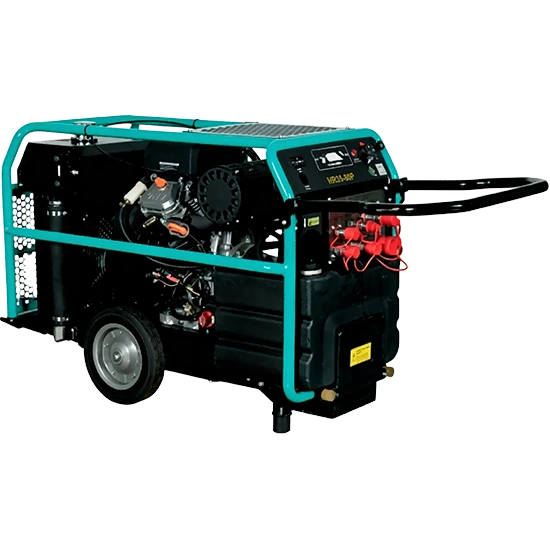

Jianghe Flood Prevention develops the 18HP Gasoline Hydraulic Power Unit as a mobile hydraulic power source for flood control, emergency rescue, municipal maintenance, and demanding outdoor operations. With an 18 hp gasoline engine, up to 160 bar working pressure, and 40 Lpm hydraulic output, this field-ready unit provides dependable hydraulic power when grid electricity is unavailable.
An independent hydraulic power source can make a significant difference during flood response and emergency fieldwork. The 18HP Gasoline Hydraulic Power Unit combines gasoline-powered mobility with a hydraulic system capable of delivering stable output for compatible rescue tools, pumps, and other hydraulic equipment. Its steel-frame construction, accessible hydraulic connections, cooling design, and lifting provisions make it suitable for rapid deployment and transportation. This article explains its key specifications, operating advantages, applications, maintenance requirements, and selection considerations for professional buyers.
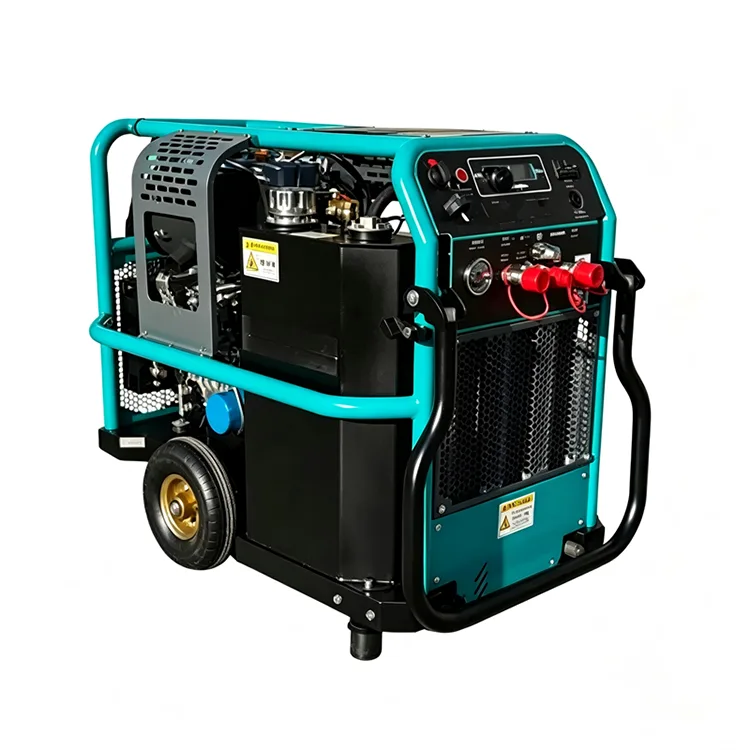
Table of Contents
- What Is an 18HP Gasoline Hydraulic Power Unit?
- What Are the Key Technical Specifications?
- What Advantages Does an 18HP Gasoline Hydraulic Power Unit Offer?
- Where Can This Hydraulic Power Unit Be Used?
- How Is the Unit Designed for Field Deployment?
- How Should the Hydraulic Power Unit Be Operated?
- What Maintenance Does the Unit Require?
- How Should Buyers Choose the Right Hydraulic Power Unit?
- Frequently Asked Questions
- Conclusion
What Is an 18HP Gasoline Hydraulic Power Unit?
An 18HP Gasoline Hydraulic Power Unit is a self-contained power system that uses a gasoline engine to drive a hydraulic pump. Instead of depending on an electrical grid, the unit generates hydraulic energy directly at the worksite. This makes it particularly valuable for emergency response teams, flood control departments, municipal engineering crews, and contractors working in remote locations.
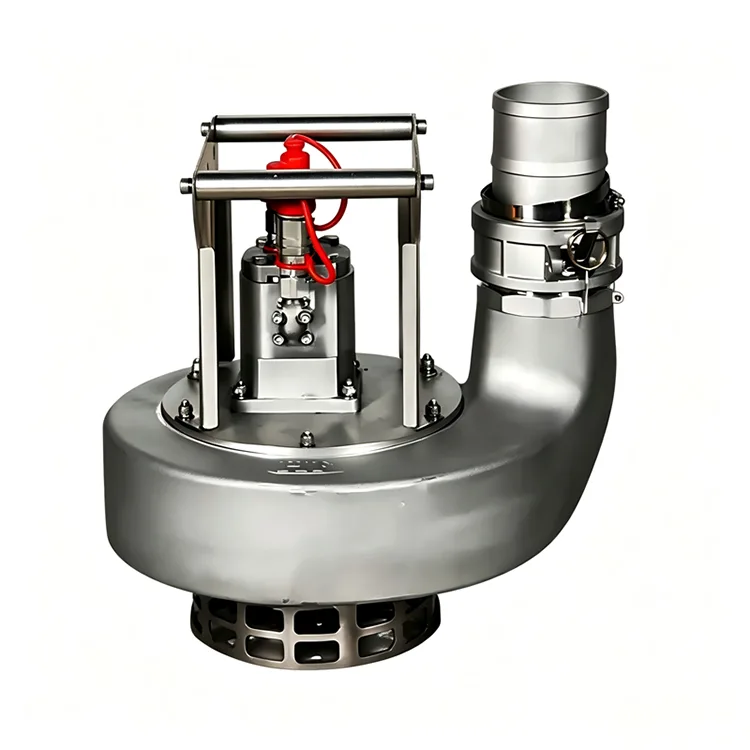
The Jianghe model uses a domestic 18 hp gasoline engine and provides a maximum working pressure of 160 bar with an output flow of 40 Lpm. These specifications allow the unit to power compatible hydraulic equipment requiring approximately 120–160 bar operating pressure, including hydraulic cutters, spreaders, breakers, and submersible pumps.
For emergency applications, mobility is often as important as hydraulic performance. The unit is therefore designed as a field-oriented power source that can be transported, positioned, connected, and put into operation without requiring a fixed electrical installation.
What Are the Key Technical Specifications?
Understanding the main specifications is essential when evaluating a hydraulic power source for emergency equipment. The following table summarizes the principal parameters of this model:
| Parameter | Specification |
|---|---|
| Engine Power | 18 hp gasoline engine |
| Maximum Working Pressure | 160 bar |
| Output Flow | 40 Lpm |
| Hydraulic Tank Capacity | 20 L |
| Fuel Tank Capacity | 20 L |
| Dimensions | 960 × 640 × 800 mm |
| Weight | ≤ 180 kg |
These parameters provide a useful reference for determining whether the hydraulic power unit matches the pressure, flow, mobility, and fuel requirements of a specific project. Buyers should always compare the unit's rated output with the requirements of the hydraulic tools they intend to operate.
What Advantages Does an 18HP Gasoline Hydraulic Power Unit Offer?
The biggest advantage of a gasoline-powered hydraulic unit is operational independence. When flooding damages electrical infrastructure or emergency teams work far from permanent facilities, a self-powered hydraulic system can provide a practical alternative.
- Independent power supply: Gasoline operation eliminates dependence on grid electricity during outdoor emergency operations.
- High hydraulic output: A maximum working pressure of 160 bar and 40 Lpm output support a range of compatible hydraulic tools.
- Rapid deployment: The compact field-oriented structure allows the unit to be transported and positioned close to the work area.
- Stable hydraulic performance: A priority flow control valve helps maintain stable output as operating loads change.
- Field-ready construction: The steel frame includes forklift pockets and lifting eyelets for mechanical handling.
- Convenient connections: Hydraulic connections are arranged for front-side access, making hose installation easier during deployment.
For organizations responsible for emergency preparedness, these characteristics can reduce the logistical limitations associated with fixed hydraulic power systems.
Where Can This Hydraulic Power Unit Be Used?
The 18HP Gasoline Hydraulic Power Unit is designed around applications where portable hydraulic energy is required. Its primary uses include flood response, emergency rescue, municipal maintenance, and outdoor engineering.
Flood Control and Emergency Drainage
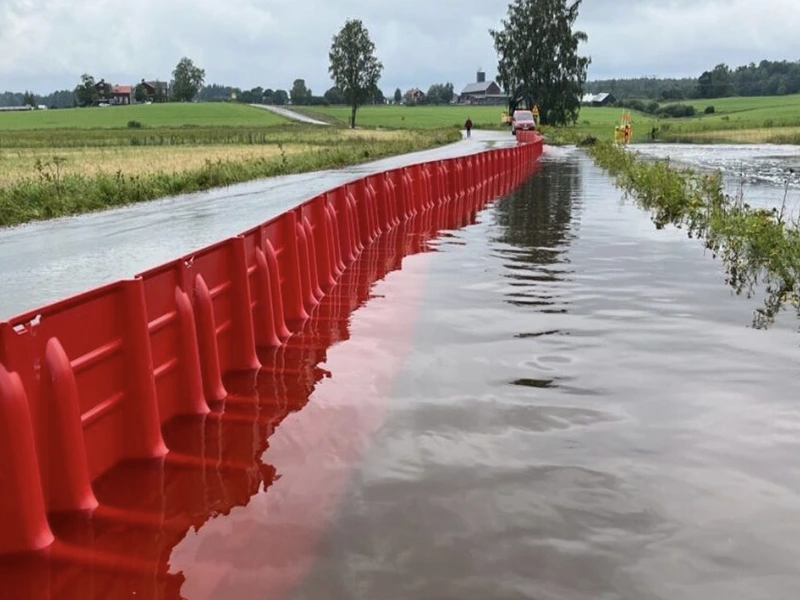
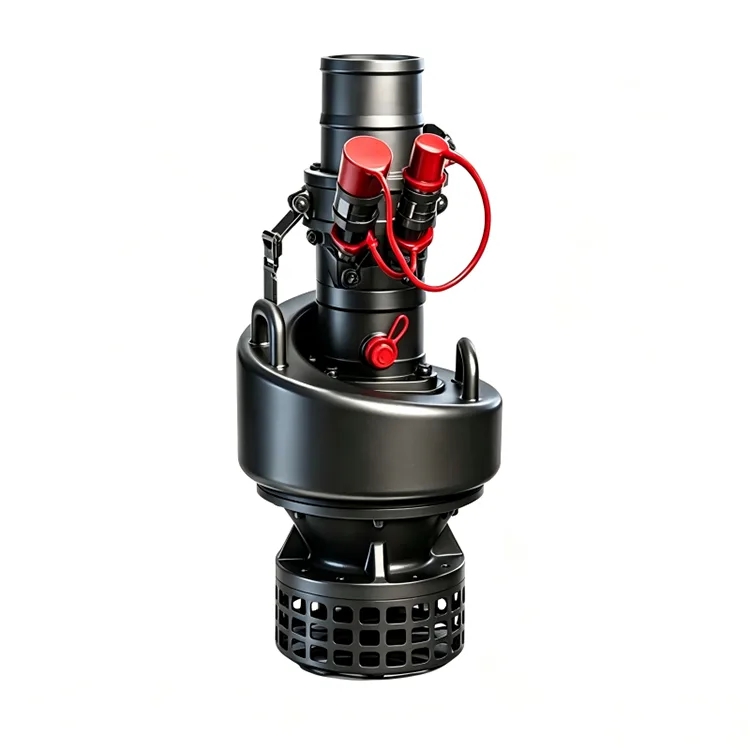
During flooding, access to electrical power can be limited or completely interrupted. A gasoline-driven hydraulic power source can operate compatible hydraulic pumps and support drainage operations in areas where conventional electric equipment is difficult to deploy.
Emergency Rescue Operations
Hydraulic rescue tools can require substantial and consistent power. The unit is compatible with hydraulic equipment such as cutters, spreaders, and breakers when their operating pressure and flow requirements match the available hydraulic output.
Municipal Engineering
Maintenance teams can use portable hydraulic power for selected repair and construction tasks where moving a large stationary power system would be inefficient.
Remote and Off-Grid Worksites
Construction sites, disaster zones, temporary work areas, and remote field locations may not have convenient access to electricity. A gasoline engine allows hydraulic equipment to remain operational without waiting for grid infrastructure.
How Is the Unit Designed for Field Deployment?
Field equipment needs to address more than power output. Transportation, connection, cooling, and maintenance can all influence real-world usability. This is why the structural design of the unit is important.
The steel frame provides a robust foundation while integrated forklift pockets and lifting eyelets facilitate mechanical handling. These features are particularly useful when the equipment needs to be loaded onto vehicles or moved around a temporary emergency worksite.
The hydraulic connections are positioned for front-side access, helping operators connect hoses without unnecessarily reaching around the machine. A forced-air ventilation system and side-mounted cooling fins assist with maintaining hydraulic oil temperature during extended operation.
The hydraulic circuit also incorporates a priority flow control valve. This helps maintain more consistent hydraulic output as load conditions vary, which is valuable when connected equipment experiences changing resistance during operation.
How Should the Hydraulic Power Unit Be Operated?
Correct operation is essential for both performance and equipment life. Before starting the unit, operators should perform several basic checks.
- Check that the hydraulic oil level is within the appropriate sight-glass range.
- Inspect hydraulic hoses, fittings, and quick couplings for damage or looseness.
- Check the gasoline supply and ensure the fuel system is ready for operation.
- Start the engine according to the manufacturer's operating procedure.
- Allow the engine to warm up before applying the hydraulic load.
- Operate the engine at the specified speed when rated hydraulic output is required.
- Monitor hydraulic oil temperature during extended operation.
- Never disconnect hydraulic hoses while the system remains pressurized.
The rated maximum working pressure should not be exceeded. Operators should also use the unit in a well-ventilated outdoor or open environment because gasoline engines produce carbon monoxide.
What Maintenance Does the Unit Require?
Preventive maintenance is especially important for emergency equipment because a unit may remain stored for long periods before being needed during a critical event. A clear maintenance routine can improve readiness and reduce avoidable downtime.
- Inspect hydraulic hoses regularly for abrasion, cracking, kinking, and leakage.
- Maintain the hydraulic oil at the correct level and replace it according to the recommended service schedule.
- Replace the hydraulic filter after the initial 50 hours of operation and subsequently at the recommended interval.
- Check hydraulic fittings and quick couplings before each deployment.
- Keep cooling passages and ventilation areas free from dirt and debris.
- For storage longer than 30 days, stabilize or drain the gasoline according to the engine manufacturer's storage recommendations.
- Store the unit in a dry location and protect hydraulic outlets from contamination.
For emergency management departments and professional contractors, maintaining a documented inspection schedule can also make equipment readiness easier to verify before deployment.
How Should Buyers Choose the Right Hydraulic Power Unit?
Choosing a hydraulic power unit should begin with the requirements of the hydraulic equipment rather than engine horsepower alone. Before placing an order, buyers should evaluate pressure, flow, operating environment, mobility, and connection requirements.
Consider the following points:
- Pressure requirement: Confirm that the maximum operating pressure of the connected equipment is compatible with the unit.
- Flow requirement: Check whether 40 Lpm is sufficient for the intended hydraulic tool or pump.
- Working environment: Determine whether the unit will operate outdoors, remotely, or in emergency conditions.
- Transportation: Consider lifting, vehicle loading, and storage requirements.
- Coupling compatibility: Verify the required hydraulic quick-coupling specification before ordering.
- Customization: For specialized applications, provide the hydraulic tool model and operating parameters to the supplier for output matching.
Jianghe Flood Prevention can provide configuration support for applications requiring different flow, pressure, or quick-coupling arrangements. Depending on project requirements, customized hydraulic output and connection configurations can be discussed before production.
Frequently Asked Questions About the 18HP Gasoline Hydraulic Power Unit
What hydraulic tools can an 18HP Gasoline Hydraulic Power Unit operate?
It can support compatible hydraulic rescue and field equipment, including cutters, spreaders, breakers, and hydraulic pumps. Compatibility should be confirmed by comparing the tool's required pressure and flow with the power unit's output.
Can this unit be used for emergency flood control?
Yes. The unit is specifically designed for applications such as emergency flood drainage, hydraulic rescue support, and outdoor operations where grid electricity may not be available.
What is the maximum working pressure?
The maximum working pressure is 160 bar. Operators should not exceed the rated pressure during operation.
What is the hydraulic output flow?
The rated output flow is 40 Lpm. If a project requires a different hydraulic output, buyers can discuss application-specific configurations with Jianghe Flood Prevention.
Is the 18HP gasoline hydraulic power unit suitable for outdoor operation?
Yes. Its gasoline engine eliminates the need for grid electricity, while the steel frame, cooling design, and lifting features support field deployment. Because the engine produces exhaust gases, it must be operated in a well-ventilated outdoor or open-space environment.
Can the hydraulic couplings be customized?
Yes. Depending on project requirements, different quick-coupling configurations can be discussed, including commonly used hydraulic coupling specifications. Buyers should provide the existing tool or hose interface details when requesting customization.
Conclusion
The 18HP Gasoline Hydraulic Power Unit provides a practical combination of independent power, hydraulic performance, mobility, and field-oriented design. With 18 hp engine power, 160 bar maximum working pressure, 40 Lpm output flow, a 20 L hydraulic tank, and a robust transport-friendly frame, it is well suited to flood control, emergency rescue, municipal maintenance, and remote engineering applications. For professional buyers seeking a reliable hydraulic power source from a China manufacturer, matching the unit's pressure and flow characteristics with the intended equipment is the key to achieving dependable field performance. To discuss hydraulic output, coupling requirements, OEM configurations, pricing, or project-specific solutions, contact us at Jianghe Flood Prevention for technical consultation and professional support.